
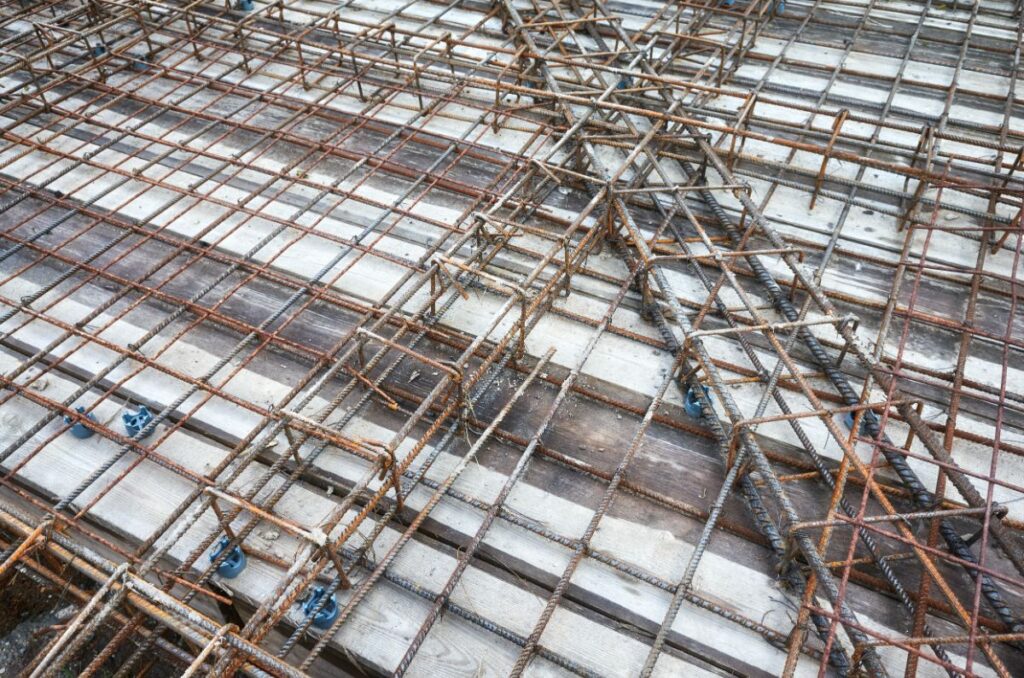
A Simple Guide to Procuring reobar and Mesh for Concrete Slabs
Why Reinforcement Is Important for Concrete Slabs and How to Source the Right Rebar and Mesh Materials
Concrete slabs need reinforcement materials because regular concrete is strong when being compressed but weak when being pulled apart. By adding steel rebar and mesh into the concrete, it can handle pulling forces, stopping cracks and structural failures from happening when weight is put on it.
The Importance of Reinforcement in Concrete Slabs
Reinforcing concrete slabs with rebar and mesh serves three main purposes:
- Distributing weight evenly across the surface of the slab
- Controlling cracks caused by shrinkage during the curing process
- Increasing the lifespan of concrete structures
The way you choose these materials can greatly affect how long your driveway, warehouse floor, or home slab will last. If you pick the wrong reinforcement materials, you might end up with cracks appearing too soon, reduced ability to carry weight, or even safety risks.
Factors to Consider When Choosing Reinforcement Materials
The strength of a structure relies on selecting the right type of site mesh reinforcement for each specific project. For example, a patio slab at home will experience different stresses compared to a commercial loading area, which means the chosen site mesh must match the required load capacity, wire thickness, grid spacing, and steel grade to ensure long-term performance and structural integrity.
When deciding on which materials to use, make sure to take into account:
- How much weight you expect to put on it and what kind of traffic will be using it
- Any moisture or temperature changes that could affect it
- The condition of the soil underneath and whether there might be any movement in the ground
- The strength grade of the concrete you’re using
The Process of Sourcing Rebar and Mesh
Sourcing rebar and mesh for your concrete slabs involves more than just placing an order for steel products. You also need to:
- Understand British standards for mesh used in concrete slabs
- Calculate exactly how much material you’ll need so that you don’t run out or waste anything
- Coordinate when deliveries will arrive with your construction schedule
Different suppliers carry various types of mesh—such as SL62 for lighter jobs or RL918 for heavier ones—each designed for specific uses.
Ensuring Quality in Your Procurement Practices
Good sourcing practices make sure that the reinforcement arrives at your site in good shape, meets certification standards, and matches up with engineering plans.
This simple guide explains how builders and contractors can make decisions about sourcing rebar and mesh for their concrete slabs—helping them choose materials that will perform well over time.
What Are Rebar and Mesh Used for in Concrete Slabs?
Rebar and welded ribbed steel wire mesh serve as the backbone of concrete reinforcement, providing tensile strength to a material that excels in compression but fails under tension. Rebar consists of individual steel bars with surface deformations that create mechanical bonds with concrete, whilst reinforcing mesh features pre-welded steel wires arranged in a grid pattern, offering faster installation and consistent spacing.
Primary Applications of Concrete Slab Reinforcement
The versatility of these reinforcement materials extends across multiple construction scenarios:
- Residential concrete slabs – Ground-level house slabs, garage floors, and shed foundations
- Driveways and pathways – High-traffic areas requiring crack resistance
- Commercial flooring – Warehouse floors, retail spaces, and industrial facilities
- Structural walls – Load-bearing and retaining walls in buildings
- Precast concrete panels – Factory-manufactured building components
- Suspended slabs – Multi-storey building floors and elevated platforms
How Reinforcement Enhances Concrete Performance
Steel reinforcement transforms plain concrete into a composite material capable of withstanding complex stress patterns. When loads create tension in concrete, the embedded steel absorbs these forces, preventing catastrophic failure. The ribbed surface texture of modern reinforcing mesh creates superior mechanical interlock compared to smooth wire, ensuring the steel and concrete work as a unified system.
Temperature-induced movement represents another critical challenge that reinforcement addresses. Concrete naturally expands and contracts with temperature fluctuations, creating internal stresses that manifest as cracks. Distributed steel mesh controls crack width and spacing, maintaining structural integrity even when minor cracking occurs. This crack control proves particularly valuable in large slab areas where thermal movement becomes pronounced.
Rebar Use Versus Mesh Applications
Individual rebar typically handles concentrated loads and structural elements requiring specific reinforcement patterns. Engineers specify rebar for beam and column intersections, edge thickenings, and areas with complex loading conditions. The flexibility to position individual bars allows precise reinforcement placement where structural analysis indicates maximum benefit.
Welded wire mesh excels in applications requiring uniform reinforcement across broad areas. The pre-fabricated grid eliminates time-consuming
How Do They Select the Right Type and Size of Reinforcing Mesh?
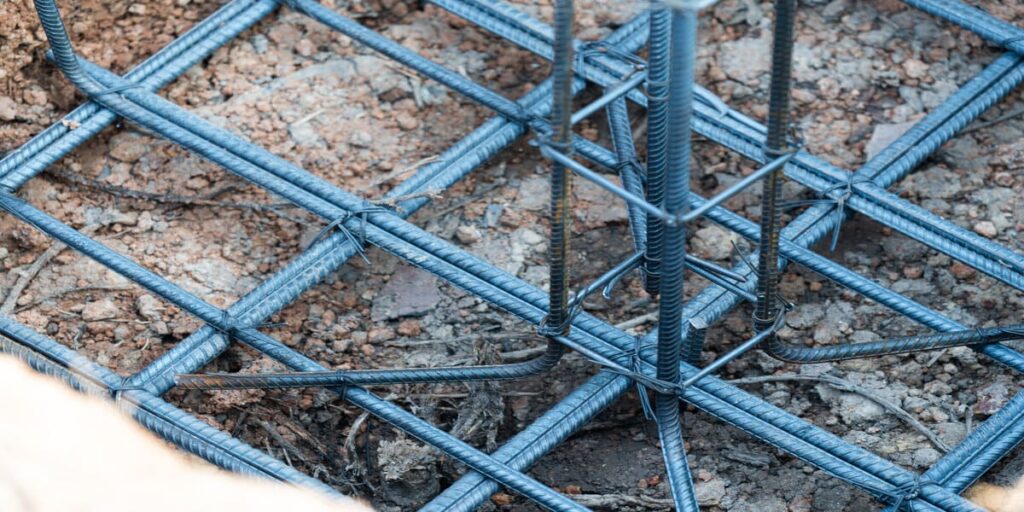
Selecting reinforcing mesh begins with understanding the fundamental difference between square and rectangular configurations. Square mesh features equal spacing between longitudinal and transverse wires, whilst rectangular mesh has closer spacing in one direction to provide enhanced strength where needed. This distinction affects load distribution and determines which mesh suits specific structural requirements.
Standard Sheet Dimensions and Their Applications
Most suppliers stock reinforcing mesh in 6m x 2.4m or 3m x 2.4m sheets to accommodate various project scales. The larger sheets reduce the number of joints needed for extensive slabs, minimising labour time and potential weak points. Smaller sheets offer easier handling on residential projects or sites with restricted access. These standardised dimensions align with typical concrete pour widths and simplify quantity calculations during procurement.
Decoding Mesh Specifications
The alphanumeric codes stamped on reinforcing mesh reveal critical information about its composition and strength characteristics:
- SL62: Square mesh with 6mm diameter wires at 200mm spacing
- SL72: Square mesh with 7.6mm diameter wires at 200mm spacing
- SL81: Square mesh with 8mm diameter wires at 100mm spacing
- RL818: Rectangular mesh with 8mm longitudinal wires at 100mm spacing and 8mm transverse wires at 200mm spacing
The first letter indicates the mesh type (S for square, R for rectangular). The following numbers denote wire diameter in millimetres, whilst the final digits specify the cross-sectional area of steel per metre width.
Matching Wire Diameter and Spacing to Project Demands
Wire diameter directly correlates with the mesh’s tensile strength and ability to resist cracking under load. Projects involving heavy equipment or vehicle traffic require thicker wires (8mm or greater) to prevent concrete failure. Bar diameters between 6mm and 7.6mm suffice for standard residential slabs with typical foot traffic and furniture loads.
Grid spacing determines how effectively the mesh distributes loads across the concrete. Closer spacing (100mm centres) provides superior crack control in high-stress areas such as warehouse floors or driveways. Wider spacing (200mm centres)
How Can They Accurately Estimate the Quantity of Mesh Needed?
Estimating mesh quantity begins with calculating the total slab area in square metres and dividing it by the coverage area of each mesh sheet. A standard 6m x 2.4m sheet covers 14.4m², whilst a 3m x 2.4m sheet covers 7.2m².
The basic formula for slab area calculation is:
Number of sheets = Total slab area (m²) ÷ Coverage area per sheet (m²)
A 100m² concrete slab requiring 6m x 2.4m sheets would need approximately 7 sheets (100 ÷ 14.4 = 6.94, rounded up). This simple calculation provides the baseline quantity before accounting for practical considerations.
Why Should They Order Extra Material?
Ordering 10-15% additional mesh beyond the calculated amount accounts for overlapping requirements and cutting waste. Lap lengths typically range from 225mm to 500mm depending on mesh specifications, consuming material that won’t contribute to the base coverage calculation.
Practical factors affecting material requirements include:
- Edge trimming around irregular slab shapes or penetrations
- Damaged sections during handling or transport
- Positioning adjustments on site
- Future repairs or modifications
A 100m² project might require 8-9 sheets instead of the calculated 7 to accommodate these factors. Suppliers often recommend this buffer to avoid costly delays from material shortages mid-pour.
What About Complex Slab Shapes?
Irregular or L-shaped slabs require breaking down the area into rectangular sections for accurate measurement. Calculate each section separately, then sum the totals before dividing by sheet coverage area.
For slabs with multiple levels or varying reinforcement zones, different mesh specifications may apply to different areas. Map out each zone’s requirements individually, noting where SL62 transitions to SL72 or where rectangular mesh replaces square mesh.
How Do Sheet Dimensions Affect Ordering?
The orientation of 6m x 2.4m sheets impacts waste calculations. Laying sheets along the longest slab dimension typically reduces cutting and overlap requirements compared to perpendicular placement.
What Are Best Practices for Installing Reinforcing Mesh?
Installing reinforcing mesh correctly determines whether the concrete slab achieves its intended structural performance. The mesh must sit at the precise height within the slab to provide optimal tensile strength where concrete naturally weakens under load.
Why Are Plastic Bar Chairs Essential?
Plastic bar chairs serve as the foundation for proper mesh positioning during concrete pouring preparation. These support devices lift the mesh off the formwork base, creating the necessary space for concrete to flow beneath and around the reinforcement. Without bar chairs, mesh settles to the bottom of the pour, rendering it largely ineffective.
The spacing of bar chairs depends on mesh weight and wire diameter:
- Light mesh (SL62, SL72): Position chairs at 1.2m intervals
- Medium mesh (SL81, SL92): Space chairs at 1m intervals
- Heavy mesh (SL102 and above): Install chairs every 800mm
Chair height selection must account for the required concrete cover plus the mesh thickness itself. For residential slabs, 40mm chairs typically provide adequate cover, whilst exposed slabs may require 50mm or greater.
How Much Concrete Cover Does Mesh Require?
Concrete cover refers to the minimum distance between the mesh surface and the slab’s outer face. Australian Standard AS 3600 specifies different cover requirements based on exposure conditions:
- Protected internal slabs: 20mm minimum cover
- External slabs (residential): 30-40mm cover
- Aggressive environments: 50mm or greater cover
Insufficient cover allows moisture penetration, leading to steel corrosion and concrete spalling. Excessive cover places the mesh too deep, reducing its effectiveness in resisting tensile forces near the slab surface.
What Handling Techniques Prevent Mesh Displacement?
Mesh sheets arrive rigid but can shift during concrete placement if not secured properly. Walking directly on mesh causes deflection, pushing it downward and compromising the intended cover depth. Workers should use walking boards or planks distributed across multiple bar chairs to spread their weight.
Securing adjacent mesh sheets with tie wire at intersection points prevents separation during concrete flow. Use 1.6mm galvanised tie wire for this purpose, ensuring a tight connection without damaging the wires.
How Should They Handle Overlapping (Lapping) of Mesh Sheets?
Mesh sheets must overlap at joints to maintain continuous reinforcement throughout the concrete slab. Mesh lapping requirements AS 3600 specify minimum distances that ensure adequate load transfer between adjacent sheets, preventing structural weak points where sheets meet.
What Are the Standard Lap Lengths Required?
Lap lengths AS 3600 dictate minimum overlaps ranging from 225mm to 500mm based on mesh specifications and wire diameter. Lighter meshes like SL62 typically require 225mm laps, whilst heavier grades such as SL92 or RL918 demand 300mm to 500mm overlaps to accommodate higher tensile forces.
The specific lap length depends on:
- Wire diameter of the mesh
- Concrete strength grade
- Expected loading conditions
- Environmental exposure classification
How Should Laps Be Secured?
Tying laps with galvanised wire at regular intervals prevents mesh displacement during concrete placement. Wire ties should be positioned every 500mm to 800mm along the lap, creating a secure connection that resists movement from foot traffic or concrete flow.
Ties must be:
- Twisted tightly using pliers or a wire twister tool
- Positioned at alternating grid intersections
- Located away from areas of maximum bending stress
- Checked before concrete pour for tightness
Where Should Lap Joints Be Positioned?
Lap locations require strategic placement to avoid compromising structural performance. Position laps away from high-stress zones such as column supports, concentrated load points, or areas subject to maximum bending moments. Stagger laps in adjacent layers to prevent alignment of weak points.
How Is Concrete Cover Maintained at Laps?
Adequate concrete cover at lap zones protects the doubled thickness of reinforcement from corrosion and fire damage. The overlapped section creates a thicker profile that requires careful attention during concrete placement to ensure complete encasement.
Bar chairs or spacers must support both layers of mesh at laps, maintaining the specified cover distance from the formwork. For typical residential slabs, this means 30mm to 40mm cover beneath the lower mesh layer, with the upper lap sitting within the slab depth without exceeding it.
What Factors Influence Lap Lengths and Reinforcement Choices?
Several factors influence the decisions made regarding lap lengths and reinforcement in concrete construction. These factors include:
- Concrete strength grade: The strength of the concrete used in the project directly affects the lap length requirements and the selection of reinforcement. Higher-grade concrete (40 MPa or above) typically allows for shorter lap lengths compared to lower grades (25-32 MPa) because stronger concrete bonds more effectively with steel reinforcement.
- Site conditions and loading requirements: The specific conditions of the construction site and the anticipated loads on the structure play a significant role in determining the type and amount of reinforcement needed. Heavy traffic areas, industrial floors, or slabs supporting substantial equipment demand thicker wire diameters and closer spacing than residential driveways.
- Temperature variations and shrinkage: Concrete is susceptible to expansion and contraction due to temperature changes, which can lead to cracking if not properly accounted for with reinforcement. Regions experiencing extreme temperature swings (above 40°C or below freezing) may require additional reinforcement to control cracking.
- Environmental exposure classifications: Different environments have varying levels of exposure to elements such as moisture, salt, or chemicals, which can affect the durability of concrete. Australian standards provide guidelines for minimum cover requirements and lap lengths based on these exposure classifications.
- Engineering drawings and project specifications: The specific details outlined in engineering drawings and project specifications override any generic guidelines when it comes to reinforcement choices. These documents take into account factors such as load calculations, soil reports, and local building requirements that are unique to each project.
- Mesh wire diameter and grid spacing: The size of the mesh wire used in reinforcement and the spacing between individual wires are determined by calculating the tensile forces expected within the slab.
By considering these factors during the design and construction process, engineers can ensure that lap lengths and reinforcement choices are optimised for each specific project, resulting in stronger and more durable concrete structures.
Where Can They Find Competitive Pricing and Reliable Suppliers?
Rebar mesh pricing varies significantly based on supplier, order volume, and delivery location. Local steel suppliers, building material yards, and specialised reinforcement distributors typically offer the most competitive rates for bulk orders. Trade accounts often provide discounted pricing structures, with savings of 15-30% compared to retail rates for regular customers.
National building supply chains stock standard mesh sizes like SL62, SL72, and RL818 across their branches. Independent steel merchants frequently match or beat these prices, particularly for larger civil or commercial projects requiring multiple pallets. Online steel marketplaces have emerged as valuable comparison tools, allowing contractors to request quotes from multiple suppliers simultaneously.
Comparing Supplier Options
Supplier options fall into three main categories, each serving different project needs:
- National chains: Bunnings, Mitre 10, and similar retailers stock common residential mesh sizes with immediate availability but limited technical support
- Independent steel merchants: Offer broader product ranges, custom cutting services, and competitive pricing for trade customers
- Specialist reinforcement suppliers: Provide comprehensive inventory including non-standard sizes, engineering support, and project-specific solutions
Regional suppliers often maintain relationships with local fabricators who can produce custom mesh configurations. These partnerships prove invaluable when projects require non-standard dimensions or specific wire spacing not available in stock sizes.
Delivery or Pickup Services
Most suppliers provide delivery or pickup services tailored to project timelines and site accessibility. Delivery charges typically range from £50-£200 depending on distance, order size, and access requirements. Many suppliers waive delivery fees for orders exceeding minimum values, commonly set between £500-£1,000.
Crane truck delivery becomes necessary for sites with limited access or when placing materials directly into position. This service costs more but reduces double-handling and labour expenses. Suppliers schedule deliveries around concrete pour dates, ensuring mesh arrives 1-2 days before installation to prevent weather exposure whilst avoiding extended site storage.
Self-collection suits smaller residential projects or DIY applications. Suppliers bundle mesh sheets securely for safe transport on trailers or utes. Standard 6m x 2.4m sheets require appropriate vehicle capacity and tie-down equipment to comply with transport regulations.
How Can Quality Control Be Ensured During Procurement and Installation?
Quality control begins with strict adherence to project specifications and engineering drawings throughout the procurement and installation phases. Every detail—from mesh type and wire diameter to lap lengths and concrete cover—must match the documented requirements to prevent structural deficiencies.
Verifying Materials Upon Delivery
Inspect all rebar and mesh materials immediately upon arrival at the site. Check that:
- Mesh specifications (SL62, RL818, etc.) match purchase orders
- Wire diameters and grid spacing align with project requirements
- Material certifications confirm compliance with AS/NZS 4671 standards
- Quantities received correspond to ordered amounts
- No visible damage, excessive rust, or deformation exists on materials
Reject any materials that fail to meet specifications or show signs of damage that could compromise structural performance.
Documentation Best Practices During Installation
Photographic documentation creates an invaluable record of quality control rebar installation. Capture images at critical stages:
- Mesh positioning on bar chairs before concrete pour
- Lap joint configurations and tie wire placement
- Concrete cover measurements using spacers
- Overall reinforcement layout matching approved drawings
- Any modifications or repairs made during installation
Written reports should accompany photographs, noting dates, locations, mesh specifications used, and any deviations from original plans. This documentation protects all parties and provides evidence of proper installation methods.
Maintaining Proper Positioning Standards
Quality control rebar installation demands constant vigilance during concrete placement. Workers must avoid:
- Walking directly on mesh, which displaces it from correct position
- Using reinforcement as scaffolding or support structures
- Allowing concrete pumps or equipment to disturb mesh placement
- Pouring concrete before verifying all ties and supports are secure
Designate specific personnel to monitor reinforcement position throughout the pour, making immediate corrections when displacement occurs.
Implementing Inspection Checkpoints
Establish formal inspection points before proceeding to subsequent construction phases:
- Pre-pour inspection: Verify mesh placement, lap lengths, and concrete cover
- During-pour monitoring: Ensure reinforcement maintains position as concrete flows
- Post-installation review: Document final placement before concrete sets
Conclusion
Procuring rebar and mesh for concrete slabs requires careful attention to material specifications, proper installation techniques, and strict adherence to Australian standards like AS 3600. Success depends on selecting the correct mesh type—whether SL62 for lighter residential work or RL818 for higher-strength applications—and calculating quantities accurately to account for overlaps and waste.
The strength and longevity of any concrete slab depend on three critical factors:
- Choosing reinforcement that matches project load requirements and environmental conditions
- Installing mesh at the correct depth using bar chairs and maintaining adequate concrete cover
- Following prescribed lap lengths (225mm to 500mm) and securing overlaps properly with tie wire
Documentation throughout the procurement and installation process protects against future disputes and provides evidence of compliance. Photographs of mesh placement, delivery receipts showing material certifications, and records of lap configurations create an audit trail that proves due diligence.
When uncertainty arises about wire diameter, spacing, or lap requirements, consulting structural engineers or experienced suppliers prevents costly mistakes. These professionals can interpret engineering drawings, recommend suitable alternatives when specified materials are unavailable, and verify that chosen reinforcement meets both structural calculations and budget constraints.
The investment in quality rebar and mesh represents a fraction of total slab costs yet determines whether the structure performs reliably for decades or develops premature cracking and failure. Cutting corners on reinforcement specification, quantity, or installation technique inevitably leads to expensive remediation work that far exceeds any initial savings.
A simple guide to procuring rebar and mesh for concrete slabs ultimately centres on understanding that reinforcement serves as the skeleton within concrete—invisible once poured but essential for structural performance. Projects that prioritise correct material selection, precise quantity estimation, proper installation practices, and thorough quality control deliver slabs that withstand intended loads, resist environmental stresses, and provide lasting value to owners and occupants alike.
FAQs (Frequently Asked Questions)
What is the importance of reinforcement in concrete slabs?
Reinforcement in concrete slabs, such as rebar and welded ribbed steel wire mesh, is crucial for enhancing structural integrity and durability. It helps distribute loads evenly, prevents cracking, and increases the slab’s overall strength, ensuring longevity and safety.
How do I select the right type and size of reinforcing mesh for my concrete slab project?
Selecting the appropriate reinforcing mesh involves understanding mesh types (square vs rectangular), typical sheet sizes (e.g., 6m x 2.4m), specifications like SL62, SL72, RL818, as well as considering wire diameter and grid spacing based on your project’s load requirements and environmental conditions.
What is the best method to accurately estimate the quantity of mesh needed for a concrete slab?
To estimate mesh quantity, calculate the total slab area and divide it by the coverage area per mesh sheet. It’s advisable to order extra material to accommodate laps or waste during installation, ensuring sufficient coverage without shortages.
What are the best practices for installing reinforcing mesh in concrete slabs?
Best practices include placing mesh on plastic bar chairs to maintain correct positioning and ensure proper concrete cover. During installation, handle the mesh carefully to avoid displacement and secure it properly before pouring concrete to maintain structural effectiveness.
How should overlapping (lapping) of mesh sheets be handled according to standards?
Overlapping mesh sheets should comply with Australian standards AS 3600, requiring minimum lap lengths between 225mm to 500mm depending on mesh size. Laps must be securely tied with wire at intervals away from high-stress zones while maintaining adequate concrete cover to ensure joint strength.
Where can I find competitive pricing and reliable suppliers for rebar and mesh materials?
Competitive pricing and reliable suppliers can be found by exploring options catering to civil, commercial, and residential projects. Many suppliers offer various sizes with delivery or pickup services and provide support to help determine correct types and quantities tailored to your project’s needs.
See more about: Why Every Site Needs High-Visibility reo bar Safety Protection

