
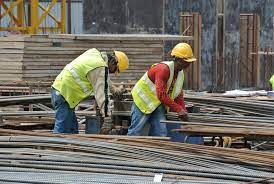
Why Every Site Needs High-Visibility reo bar Safety Protection
Construction sites are full of dangers, but one of the most often ignored risks comes from exposed reinforcing steel bars. High-visibility reo bar safety protection tackles this serious threat with the use of bright coloured caps and strips that protect workers from potentially life-changing injuries.
These protective devices have two functions: they physically cover sharp steel ends while their bright yellow or orange colour makes protruding bars impossible to overlook. A moment’s inattention on a busy site can result in devastating outcomes—from deep cuts to impalement injuries that alter lives forever.
The numbers tell the story. Sites without proper reo bar protection have much higher injury rates, leading to project delays, compensation claims, and irreversible harm to workers and their families. Construction site safety requires more than just following rules; it needs proactive actions that eliminate dangers before accidents happen.
Reo bar injury prevention is not optional—it’s crucial. Every exposed steel bar is a potential emergency waiting to occur. Whether workers are moving through crowded areas, visitors are exploring the site, or contractors are working in dim lighting conditions, unprotected reo bars present an unacceptable danger.
Implementing high-visibility safety measures turns these hazards into clearly marked, protected elements. The investment is small compared to the cost of a single serious injury, both in human and financial terms. Sites that prioritise this simple yet effective protection show genuine commitment to worker welfare while also reducing liability exposure and keeping projects on track.
What is High-Visibility Reo Bar Safety Protection?
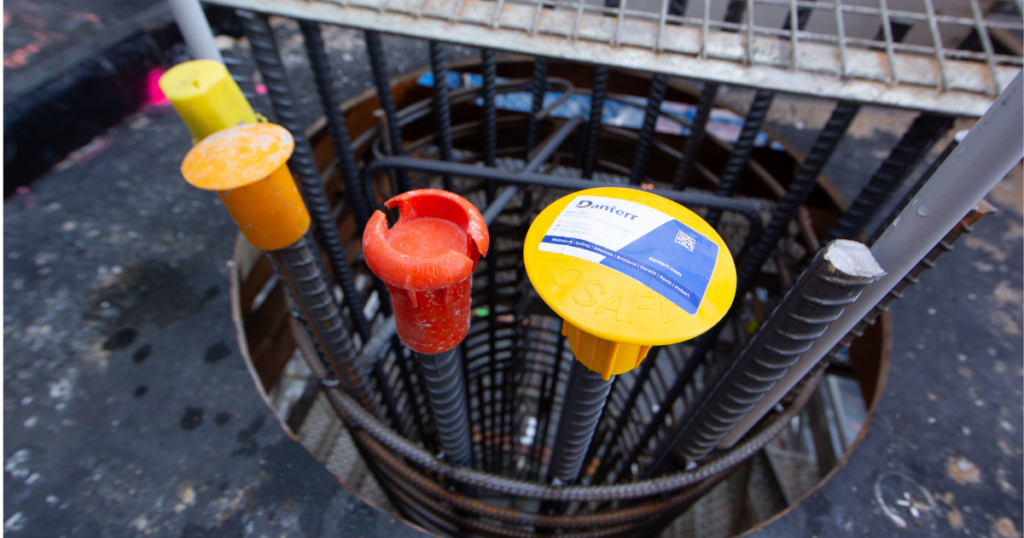
High-visibility reo bar safety protection refers to specialised safety devices designed to cover exposed reinforcing steel bars on construction sites. These protective measures prevent workers and visitors from coming into contact with sharp, protruding ends of reo bars that could cause serious injuries.
The system consists of two primary components that serve distinct protective functions:
- Safety caps – Individual covers that fit over single bar ends
- Safety strips – Continuous protective barriers that cover multiple bars simultaneously
Materials and Construction
Manufacturers produce these safety devices from UV-treated plastics specifically engineered for construction environments. The plastic formulation resists degradation from constant sun exposure, ensuring the protective equipment maintains its structural integrity throughout extended outdoor use. This durability proves essential on sites where reo bars remain exposed for weeks or months during different construction phases.
The reusable nature of these materials offers both economic and environmental advantages. Sites can remove, clean, and redeploy the same safety caps across multiple projects without compromising their protective qualities.
The Science of High-Visibility Colours
Bright fluorescent yellow and orange serve as the standard colours for reo bar safety protection. These specific hues were selected based on human visual perception research. The human eye detects these colours more rapidly than other shades, particularly in peripheral vision where many construction accidents originate.
The high-contrast appearance against typical construction materials creates an immediate visual alert. Steel’s grey tone, concrete’s neutral palette, and dirt’s brown hues all provide stark backgrounds that make these safety devices stand out. This colour differentiation works across various lighting conditions, from bright daylight to overcast weather or shadowed areas of construction sites.
Workers moving quickly through active sites benefit from this enhanced visibility. The bright colours act as constant visual reminders of potential hazards, triggering automatic caution responses that reduce accidental contact with dangerous bar ends.
Why Are Reo Bars a Safety Hazard on Construction Sites?
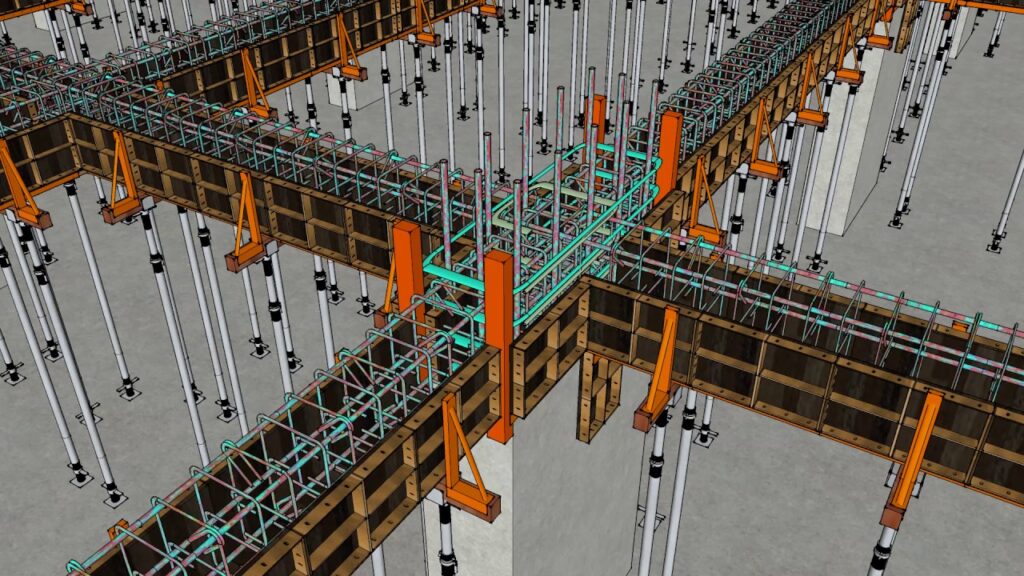
Exposed reinforcing bars create multiple injury risks, ranging from minor cuts to life-threatening impalement incidents. The protruding steel ends, usually positioned at waist or head height, present sharp points that can easily penetrate skin and tissue when workers or visitors accidentally make contact.
Common injury types include:
- Puncture wounds and impalement – The most severe risk occurs when someone trips or falls onto exposed reo bars, potentially causing deep tissue damage or organ perforation
- Cuts and scratches – Workers brushing past unprotected bars can sustain injuries that may require medical attention and time off work
- Eye injuries – Bars positioned at face level pose particular danger to vision, especially when workers bend or move quickly through confined spaces
- Bruising injuries – Even capped bars can cause bruising or impact injuries if workers collide with them unexpectedly
The hazard extends beyond construction personnel to site visitors, delivery drivers, inspectors, and clients who may be unfamiliar with site layouts. These individuals often lack the situational awareness that regular workers develop, making them particularly vulnerable to reo bar injuries. Site tours and inspections frequently bring people into areas where reinforcement work is ongoing or recently completed.
Poorly marked or completely unmarked reo bars blend into the visual chaos of active construction sites. Grey steel bars disappear against concrete formwork, soil, or shadowed areas, creating invisible hazards. Workers focused on their immediate tasks may not notice protruding bars in their peripheral vision until contact occurs. During early morning or late afternoon hours, low light conditions further reduce visibility, compounding the danger. Sites with multiple trades working simultaneously face increased risk as workers navigate unfamiliar zones where reo installation has occurred.
The vertical orientation of many reo bars positions them at the most dangerous heights – chest, abdomen, and head level – where accidental contact can cause maximum harm. Workers carrying materials or equipment have reduced ability to see and avoid these hazards, particularly when moving backwards or sideways.
How Does High-Visibility Reo Bar Safety Protection Reduce Site Injuries?
High-visibility reo bar safety protection reduces injuries by making hazards immediately noticeable through bright colours and creating a physical barrier between workers and sharp steel ends. The combination of enhanced visibility and protective capping addresses both the detection and contact aspects of reo bar accidents.
The Science Behind Colour-Based Safety
Bright yellow and orange caps trigger immediate visual recognition in the human brain. These colours stand out against typical construction site backgrounds—grey concrete, brown earth, and steel frameworks. Workers scanning their environment can spot protected reo bars from greater distances, allowing them to adjust their movements accordingly.
The contrast effect becomes particularly valuable during:
- Early morning or late afternoon work when natural lighting varies
- Overcast conditions that reduce overall site visibility
- Cluttered work areas with multiple hazards competing for attention
- High-traffic zones where workers move quickly between tasks
Research in occupational safety demonstrates that high-visibility markers reduce accident rates by up to 60% in environments with multiple protruding hazards. The eye naturally gravitates towards these warning colours, creating an automatic alert system that requires no additional training or conscious effort from workers.
Physical Barrier Protection
Protective caps serve as the critical last line of defence. The rounded or flat top surface of these caps eliminates the puncture risk entirely. When a worker accidentally contacts a capped reo bar, the force distributes across a broader surface area rather than concentrating on a single sharp point.
The caps function through several protective mechanisms:
- Blunt force distribution: The cap’s surface area spreads impact across several square centimetres instead of a pinpoint
- Slip resistance: Textured cap surfaces prevent workers from sliding onto adjacent exposed hazards
- Height marking: Caps add visible bulk that helps workers judge clearance distances
A worker who trips near capped reo bars might sustain a bruise, whilst the same fall near exposed bars could result in impalement requiring emergency surgery. The protective difference becomes even more pronounced when workers carry materials overhead or work in confined spaces where body positioning limits their ability to avoid contact.
Dual Protection in Practice
The visibility and physical protection elements work synergistically. Bright colours combined with protective capping create a comprehensive safety solution that addresses both the visual perception and potential impact risks associated with reo bar hazards on construction sites.
What Are the Key Features of Effective Reo Bar Safety Caps?
Secure Attachment Mechanism
Effective reo bar safety caps must incorporate a secure attachment mechanism that prevents displacement during daily construction activities. The attachment system needs to grip the rebar firmly enough to withstand accidental knocks, vibrations from machinery, and environmental factors like wind. Quality caps feature internal ribbing or threading that creates friction against the steel surface, ensuring they remain in place even when workers brush past them or equipment operates nearby.
The best attachment designs allow for quick installation without requiring tools whilst maintaining a tight fit. Some models use spring-loaded mechanisms that compress when pushed onto the bar and expand to lock in position. Others employ multi-point contact systems where several internal ridges grip the rebar circumference simultaneously. This redundancy means that even if one contact point loosens slightly, the remaining points keep the cap secure.
Durability
Durability stands as the most crucial factor determining whether safety caps can withstand the harsh realities of construction environments. Sites expose these protective devices to extreme temperatures, constant UV radiation, physical impacts, and exposure to concrete, water, and chemicals. Caps manufactured from inferior materials crack, fade, or become brittle within weeks, rendering them useless precisely when protection matters most.
High-quality caps utilise UV-treated plastics specifically engineered to resist degradation from sunlight exposure. These materials maintain their structural integrity and bright colouration throughout extended periods outdoors. The plastic composition must balance flexibility with rigidity—flexible enough to absorb impacts without shattering, yet rigid enough to maintain shape and protective coverage.
Reusability
Construction sites demand reusability from safety equipment to justify investment costs. Effective caps can be removed, cleaned, and reused across multiple projects without losing their protective properties or secure fit. This reusability factor depends directly on material quality and design robustness. Caps that crack after a single use or lose their grip after removal fail to deliver long-term value.
Versatile Design
The physical design must accommodate various rebar diameters commonly found on construction sites. Adjustable or multi-size options reduce inventory requirements whilst ensuring proper coverage regardless of bar thickness. Caps that fit too loosely slide off easily, whilst those fitting too tightly risk cracking during installation or becoming impossible to remove for reuse.
Weather Resistance
Weather resistance extends beyond UV protection to include resistance to temperature extremes. Caps must
Why Should Every Construction Site Implement High-Visibility Reo Bar Safety Measures?
Implementing these measures creates a standardised approach to site safety that protects both workers and employers from preventable accidents and their consequences. The benefits extend far beyond immediate injury prevention, touching on legal compliance, financial protection, and workplace culture.
Regulatory Compliance and Legal Protection
Construction sites operate under strict health and safety regulations that mandate adequate protection of hazardous elements. High-visibility reo bar safety measures help sites meet these legal requirements, demonstrating due diligence in protecting workers. When inspectors visit, the presence of these protective devices shows a commitment to following established safety protocols.
Failure to implement proper safety measures can result in:
- Substantial fines from regulatory bodies
- Stop-work orders that delay project completion
- Criminal charges in cases of serious injury or death
- Increased scrutiny from safety inspectors on future projects
Reduction in Liability Claims
Sites that implement comprehensive reo bar protection significantly reduce their exposure to costly liability claims. When an injury occurs on an unprotected site, employers face potential lawsuits, workers’ compensation claims, and increased insurance premiums. The presence of high-visibility safety measures provides documented evidence that reasonable precautions were taken.
Insurance companies recognise sites with robust safety protocols, often offering more favourable premium rates. A single impalement injury can cost tens of thousands in medical expenses, lost productivity, and legal fees—far exceeding the minimal investment required for proper safety equipment.
Creating a Culture of Safety
Standardising high-visibility reo bar protection across all sites sends a clear message that worker safety is non-negotiable. When workers see consistent safety measures, they become more vigilant about other potential hazards. This ripple effect creates an environment where safety becomes second nature rather than an afterthought.
Sites with visible safety measures also project professionalism to clients, subcontractors, and visitors. The bright colours of protective caps serve as constant visual reminders that safety is actively managed, encouraging everyone on-site to maintain heightened awareness.
Protecting All Site Personnel
Construction sites host various individuals beyond the primary workforce—supervisors, inspectors, delivery drivers, and occasionally members of the public. High-visibility reo.
How Can Sites Ensure Proper Installation and Maintenance of Reo Bar Safety Protection?
Proper installation begins with selecting the correct size cap or strip for each reo bar diameter. The protective device should fit snugly over the bar end without excessive force, creating a secure seal that won’t dislodge during normal site activities.
Installation Guidelines
Site supervisors must establish clear protocols for fitting high-visibility reo bar safety protection. Workers should push caps firmly onto bar ends until they hear or feel a click, indicating the locking mechanism has engaged. For strip-style protection, the material should wrap completely around exposed sections with overlapping edges secured according to manufacturer specifications.
Key installation steps include:
- Cleaning bar ends of concrete residue, rust, or debris before fitting
- Checking each cap seats flush against the bar without gaps
- Testing the attachment by attempting to remove the cap with moderate hand pressure
- Replacing any damaged or cracked protection immediately upon discovery
Inspection and Maintenance Protocols
Daily visual checks form the foundation of effective reo bar safety maintenance. Site managers should designate specific personnel to walk the site each morning, identifying any missing, displaced, or damaged protective devices before work commences.
Weekly detailed inspections provide deeper oversight. These assessments examine:
- UV degradation signs such as colour fading or surface cracking
- Structural integrity of locking mechanisms
- Proper positioning on all exposed reo bars
- Accumulation of materials that might obscure visibility
Documentation practices strengthen accountability. Inspection logs should record the date, inspector name, number of protective devices checked, and any corrective actions taken. This creates an auditable trail demonstrating commitment to safety standards.
Weather conditions demand particular attention. Heavy rain, extreme heat, or strong winds can compromise attachment security. Post-weather inspections ensure protection remains in place and functional. Sites in harsh climates may require more frequent replacement cycles to maintain the bright colours essential for high visibility.
Training programmes equip workers with knowledge about why every site needs high-visibility reo bar safety protection and how to maintain it properly. New employees should receive hands-on instruction during induction, whilst experienced staff benefit from periodic refresher sessions covering updated best practices.
Storage of spare protective devices requires consideration. Keeping an adequate supply on-site prevents delays when replacements become necessary.
What Are The Long-Term Advantages Of Using High-Visibility Reo Bar Safety Protection?
High-visibility reo bar safety protection delivers substantial financial benefits through reduced accident rates and associated costs. Sites that consistently implement these measures experience fewer workplace injuries, which translates directly into lower workers’ compensation claims, reduced insurance premiums, and minimal project delays caused by accident investigations. The initial investment in quality safety caps and strips pays for itself many times over when compared to the potential costs of a single serious injury.
Direct Cost Reductions Include:
- Decreased medical expenses from prevented injuries
- Lower workers’ compensation insurance premiums
- Reduced legal fees and liability claims
- Fewer productivity losses from accident-related work stoppages
- Minimized equipment damage from accidental contact with exposed bars
The reusable nature of high-quality reo bar safety protection amplifies these savings. UV-treated plastic caps maintain their structural integrity and visibility through multiple projects, eliminating the need for constant replacement. Sites that properly maintain and store these safety devices can use them across numerous jobs, spreading the initial cost over years of service.
Reputation and Compliance Benefits
Construction companies that prioritise visible safety measures build stronger reputations within the industry. Clients increasingly favour contractors who demonstrate commitment to worker safety through tangible measures like high-visibility reo bar protection. This competitive advantage leads to more contract opportunities and better relationships with regulatory bodies.
Consistent use of these safety devices simplifies compliance with occupational health and safety regulations. Sites avoid costly fines and penalties associated with safety violations, whilst demonstrating due diligence in protecting workers. Documentation of proper reo bar protection usage strengthens a company’s position during safety audits and inspections.
Workforce Morale and Retention
Workers feel valued when employers invest in comprehensive safety measures. The presence of bright, protective caps on every exposed reo bar sends a clear message that management prioritises employee wellbeing. This visible commitment to safety improves workforce morale, reduces staff turnover, and attracts skilled workers who seek employers with strong safety records.
Sites with excellent safety records experience fewer disruptions from accident investigations and regulatory interventions. The time saved from avoiding these interruptions allows projects to maintain momentum, meeting deadlines and budget targets more consistently. This reliability enhances client satisfaction and increases the likelihood of repeat business.
Conclusion
The importance of implementing high visibility reo bar safety protection cannot be overstated. Construction sites that adopt these measures create environments where workers can perform their duties with confidence, knowing that visible hazards have been clearly marked and protected.
Why Every Site Needs High-Visibility reo bar Safety Protection comes down to a simple truth: prevention costs less than treatment. The investment in brightly coloured caps and strips represents a fraction of the potential costs associated with workplace injuries, legal claims, and project delays.
Site managers and contractors who prioritise these safety measures demonstrate their commitment to:
- Protecting human lives from preventable injuries
- Maintaining regulatory compliance with health and safety standards
- Building a culture of safety that extends beyond minimum requirements
- Reducing financial exposure through proactive risk management
The decision to implement high-visibility reo bar safety protection reflects the values of any construction operation. Sites that embrace this critical measure send a clear message: worker safety takes precedence over shortcuts or cost-cutting measures.
Every construction professional has a responsibility to ensure that exposed reo bars never become the cause of an avoidable injury. High-visibility protection offers a straightforward, cost-effective solution that addresses this hazard head-on. The question isn’t whether your site can afford to implement these measures—it’s whether you can afford not to.
FAQs (Frequently Asked Questions)
What is high-visibility reo bar safety protection and why is it important on construction sites?
High-visibility reo bar safety protection involves using bright-coloured caps and strips made from durable, UV-treated plastics to cover exposed reo bars on construction sites. This protection enhances visibility and significantly reduces the risk of injuries such as scratches or impalement, thereby ensuring the safety of workers and visitors alike.
Why are exposed reo bars considered a safety hazard on construction sites?
Exposed reo bars pose serious safety hazards as they can cause injuries ranging from minor scratches to severe impalement. These risks affect not only workers but also visitors who may be unaware of their presence. Poorly marked or unnoticed reo bars increase the likelihood of accidents on site.
How does high-visibility reo bar safety protection help reduce injuries at construction sites?
By employing bright colours that catch attention, high-visibility reo bar safety protection increases awareness among site personnel and passersby, reducing accidental contact with sharp ends. Protective caps physically prevent direct contact with these hazardous points, thereby lowering injury rates effectively.
What are the key features to look for in effective reo bar safety caps?
Effective reo bar safety caps should have a secure attachment mechanism to ensure they remain firmly in place during site activities. Durability is essential so that they withstand harsh construction environments over time without degrading, maintaining consistent protection for all exposed bars.
Why should every construction site implement high-visibility reo bar safety measures?
Implementing standardised high-visibility reo bar safety measures across all construction sites promotes compliance with health and safety regulations, reduces liability claims, and fosters a safer working environment. Prioritising these precautions protects both workers and visitors from preventable injuries.
How can construction sites ensure proper installation and maintenance of reo bar safety protection?
Sites should follow guidelines for correctly fitting caps or strips onto reo bars during installation to guarantee effective coverage. Additionally, establishing regular inspection schedules helps maintain the integrity and visibility of the protective elements over time, ensuring ongoing site safety.
See more about: A Simple Guide to Procuring reobar and Mesh for Concrete Slabs

