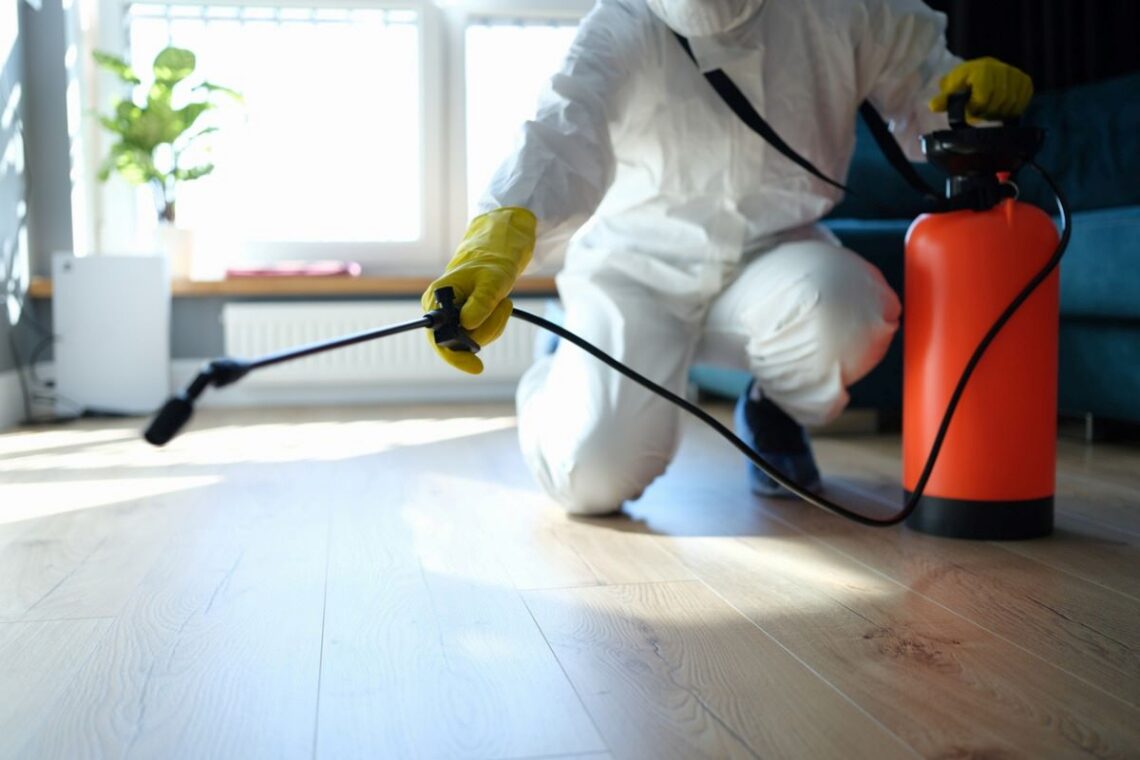
Home Termite Control: 6 Proven Ways to Protect Your House
Below are six proven ways to protect a house, plus a simple plan for what to do next.
What are the earliest signs of termites in a house?
Early signs usually show up as subtle wood and paint changes, not obvious insects, which is why home termite control starts with careful inspection. They should look for mud tubes on foundation walls, hollow sounding wood, and blistered or bubbling paint.
Other common clues include discarded wings near windowsills, tiny “sand like” droppings (frass) from drywood termites, and doors or windows that suddenly stick. If any two signs appear together, home termite control should be considered and a deeper inspection carried out.
How can moisture control prevent termite infestations?
Moisture control works because termites need water or damp wood to thrive, especially subterranean termites. If they keep wood dry, they remove the main condition termites depend on.
They should fix leaks quickly, keep gutters clean, and ensure downspouts push water away from the foundation. Crawlspaces should be well ventilated or professionally encapsulated where appropriate. They should also avoid overwatering plants near the home and keep sprinkler spray off siding and foundations.
How should they remove termite “bridges” around the foundation?
Termites often use hidden access points where wood touches soil or where debris creates a bridge to the structure. Removing these contact points makes it harder for termites to enter undetected.
They should keep at least 6 inches of visible foundation between soil and any siding or framing. Mulch should be kept thin and pulled back from the foundation line. Firewood, lumber, and cardboard should be stored off the ground and away from the house, not stacked against exterior walls.
What maintenance steps actually stop termites from getting inside?
Maintenance helps because termites exploit cracks, gaps, and untreated wood. Sealing and repairing common entry routes reduces the chance they find a path indoors.
They should seal foundation cracks, gaps around plumbing penetrations, and utility entry points using appropriate sealants. Any wood that is exposed outdoors should be painted, sealed, or replaced with pressure treated material where suitable. They should also replace damaged fascia, soffits, and trim, since soft wood is easier for termites to colonize.
Which termite treatments work best for active infestations?
The best treatment depends on the termite type and where the colony is located. For subterranean termites, bait systems and non repellent liquid termiticides are the most proven options.
Baits can reduce or eliminate colonies over time when placed and maintained correctly. Non repellent liquids, when applied as a continuous soil barrier, can kill termites that pass through without warning the colony. For drywood termites, localized treatments (foam or precision injection) can work for small areas, while whole structure fumigation is sometimes needed for widespread infestation.
Because misidentifying termite type leads to wasted effort, they should confirm whether the problem is subterranean or drywood before choosing a method. Check out more about termite dust control.
When should they call a professional termite control company?
They should call a professional when there are multiple signs, visible mud tubes, widespread frass, or any damage to structural wood. Professional help is also important when the house has a crawlspace, complex foundation lines, or a history of termite activity.
A reputable company will identify the termite species, locate moisture and entry conditions, and recommend a plan that includes both treatment and prevention. They should ask for a written inspection report, a clear diagram of treatment areas, and details on warranty terms, reinspection frequency, and ongoing bait station maintenance if baits are used.

How can they keep termites away long term with a simple yearly plan?
Long term protection works best when they treat termite control like routine home maintenance. A simple schedule reduces risk without turning it into a constant project.
They should do a quick exterior check each season for mud tubes, wood rot, and soil contact with siding. Once a year, they should inspect crawlspaces, garages, and attic edges for moisture and wood damage. If they use bait stations, they should keep the service schedule consistent, since neglected stations stop being effective. After storms or plumbing issues, they should recheck moisture and fix wet materials quickly.
If they want a practical starting point, they should first reduce moisture, remove wood to soil contact, then schedule a professional inspection to confirm whether any treatment is needed now.
Related : What to Expect from Professional Pest Control Baulkham Hills
FAQs (Frequently Asked Questions)
What are the earliest signs of termites in a house?
Early signs of termite infestation include subtle changes such as mud tubes on foundation walls, hollow sounding wood, blistered or bubbling paint, discarded wings near windowsills, tiny sand-like droppings (frass) from drywood termites, and doors or windows that suddenly stick. Spotting any two of these signs together warrants a thorough inspection for termites.
How does moisture control help prevent termite infestations?
Moisture control is crucial because termites need water or damp wood to survive, especially subterranean termites. By fixing leaks promptly, keeping gutters clean, ensuring downspouts direct water away from the foundation, ventilating crawlspaces properly, avoiding overwatering plants near the home, and preventing sprinkler spray from hitting siding and foundations, homeowners can keep wood dry and reduce conditions favorable for termite activity.
What steps can be taken to remove termite ‘bridges’ around the foundation?
To eliminate termite access points or ‘bridges,’ maintain at least six inches of visible foundation between soil and any siding or framing. Keep mulch thin and pulled back from the foundation line. Store firewood, lumber, and cardboard off the ground and away from the house rather than stacked against exterior walls. These measures remove hidden pathways termites use to enter structures undetected.
Which maintenance practices effectively stop termites from entering a home?
Effective maintenance includes sealing foundation cracks; closing gaps around plumbing penetrations and utility entries with appropriate sealants; painting, sealing, or replacing exposed outdoor wood with pressure-treated materials; and repairing damaged fascia, soffits, and trim to prevent soft wood colonization. These actions reduce common entry routes termites exploit to infest homes.
What are the best termite treatments for active infestations?
The optimal treatment depends on termite species and colony location. For subterranean termites, bait systems combined with non-repellent liquid termiticides applied as continuous soil barriers are proven methods. Drywood termite infestations may require localized foam or precision injections for small areas or whole-structure fumigation for widespread cases. Confirming termite type before treatment ensures effectiveness and avoids wasted effort.
When should homeowners call a professional termite control company?
Homeowners should seek professional help when multiple signs of infestation appear—such as visible mud tubes, widespread frass deposits, or structural wood damage—or if their home has complex foundations, crawlspaces, or prior termite history. Professionals can accurately identify termite species, assess moisture and entry conditions, recommend tailored treatment and prevention plans, provide written inspection reports with treatment diagrams, warranty details, reinspection schedules, and ongoing bait station maintenance guidance.


You May Also Like