Buying a Property? Here’s Where Temporary Scaffolding Fits Into Your Due Diligence
One due diligence item that is easy to overlook is temporary scaffolding. It is not just a construction detail. It can be a clue about defects, compliance, access, timelines, and who pays when settlement is close.
What does temporary scaffolding actually signal when buying a property?
It usually signals that someone needed safe access to work at height, either for urgent repairs or planned upgrades. That alone is not a red flag, but it is a prompt to ask what triggered the work and whether it is finished.
For investors, temporary scaffolding can also signal forthcoming disruption to tenants, a higher short-term holding cost, or unresolved building risks that might affect insurance and rent.
How can temporary scaffolding change the real cost of the deal?
It can change the price in practice, even if the contract price looks fine. Access systems cost money, and scaffolding is often hired weekly, so delays can balloon costs fast.
If the buyer inherits a property mid-project, temporary scaffolding may indicate outstanding invoices, scope creep, or extra trades required to complete the job. Those costs can weaken cash flow forecasts and reduce the property’s net yield.
When should an investor ask questions about temporary scaffolding?
They should ask as soon as it appears in photos, is mentioned by the selling agent, or is visible at an open. Waiting until building and pest can be too late if contract dates are tight.
The clean approach is to treat temporary scaffolding as a due diligence trigger. It is a practical way to surface documents, timelines, and liabilities before they become the new owner’s problem.
Which documents should a buyer request if temporary scaffolding is involved?
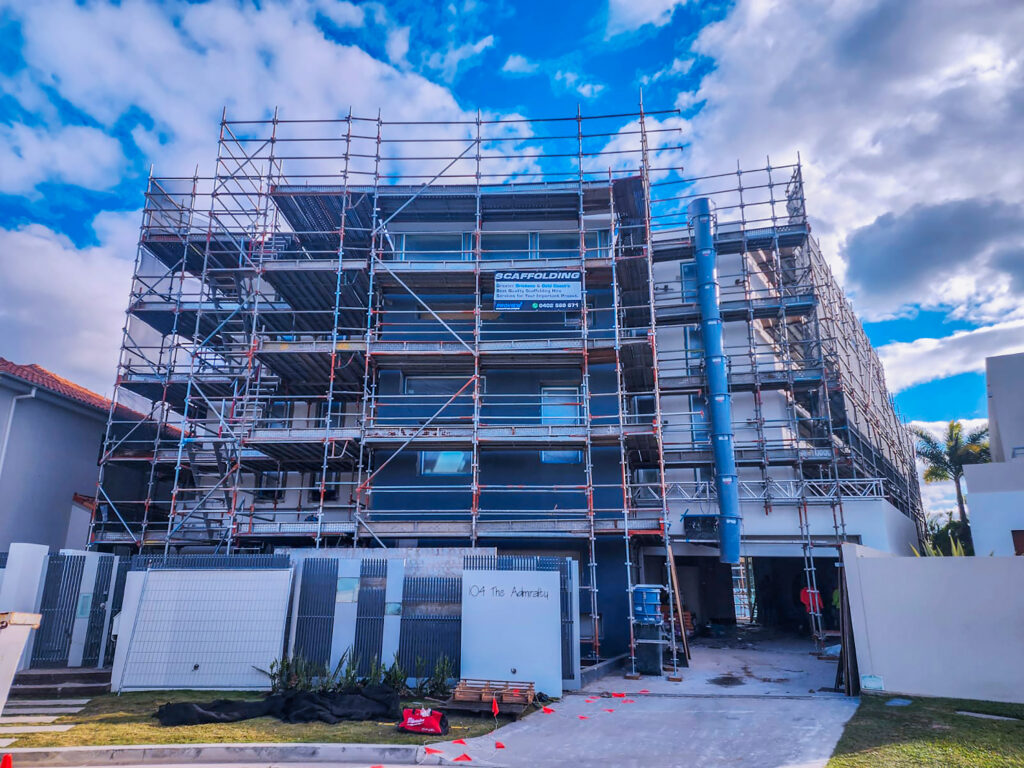
They should ask for the scope of works, contractor quotes, invoices paid and unpaid, and any warranties. If it is a strata building, they should also request strata correspondence, motions, and minutes covering the work.
Where temporary scaffolding is used, buyers should also ask for evidence of permits and safety compliance, plus any engineer reports that justified the repair. If the seller cannot provide basics, that uncertainty should be priced in.
How does temporary scaffolding affect building and pest inspections?
It can help or hinder. It may provide better access to roofs, eaves, and upper façades, which can improve the quality of inspection outcomes if the inspector can use it legally and safely.
It can also block sight lines or restrict access if the scaffolder has rules about use. If temporary scaffolding is present, buyers should confirm the inspector’s access in advance and request photos of the areas that matter most for long term maintenance.
What risks does temporary scaffolding hint at for landlords?
It can hint at water ingress, concrete spalling, failing balustrades, storm damage, or roof movement. Those issues often come with follow-on work that is not obvious at the first repair.
For landlords, the main risk is that temporary scaffolding is only the first step in a bigger rectification sequence. If the property will be tenanted, buyers should ask whether upcoming stages will affect entry, privacy, or safety obligations under the relevant state tenancy rules.
Could temporary scaffolding indicate unresolved compliance or safety issues?
Yes. If access is installed because an element is unsafe, there may be council involvement, insurer requirements, or building notices. The presence of signage, fencing, or restricted areas can be a clue. Understanding property safety compliance requirements can help buyers identify potential risks and determine whether further inspections or approvals are needed before proceeding.
Buyers should treat temporary scaffolding as a prompt to ask whether there are any outstanding notices, orders, or defects. In strata, they should check whether the owners corporation has an active rectification programme and special levies.
How should buyers handle temporary scaffolding in strata properties?
They should confirm whether the works are common property, lot property, or shared responsibility. That one detail changes who pays and who controls the timeline.
If temporary scaffolding is up on a strata block, investors should read the strata records for the motion that approved the work, the levies raised, and whether there is a dispute with the builder. It is also worth checking the sinking fund forecast because repeated façade or balcony work can drain reserves.
What should buyers ask about timelines and handover if temporary scaffolding is still up?
They should ask when the scaffold was installed, the hire rate, and the planned removal date. They should also ask what is holding up completion, whether weather, approvals, or missing trades.
If settlement occurs while temporary scaffolding remains, buyers should insist on clarity about who is responsible for the ongoing hire, what happens if the job runs over, and whether access will be needed through the buyer’s lot after settlement.
Can temporary scaffolding be used as leverage in negotiation?
Yes, if it introduces uncertainty or immediate cost. Investors can negotiate a price adjustment, a retention amount, or a condition that the work is completed before settlement.
The key is evidence. If temporary scaffolding is present, buyers should quantify the impact through written quotes, hire invoices, or an independent report. Negotiation works best when the buyer can show how the issue affects rent, insurance, or ongoing maintenance. Steps for assessing property repair costs before purchase can help investors gather the right information and make stronger decisions during negotiations.
How does temporary scaffolding affect insurance, liability, and risk between exchange and settlement?
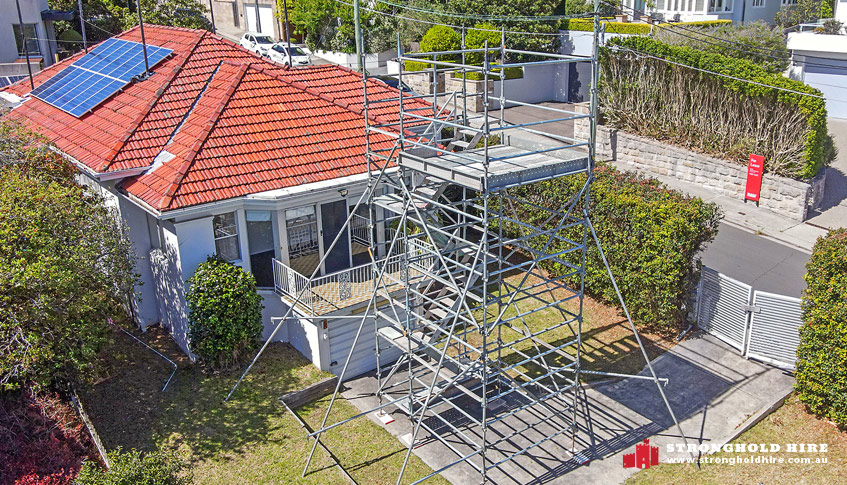
It can complicate risk if the property is damaged, if someone is injured, or if works continue while the buyer is under contract. The contract terms and the state based standard conditions matter here.
Where temporary scaffolding is on site, buyers should confirm whether works will continue after exchange and ensure the seller maintains appropriate insurance until settlement. If access remains, buyers should also confirm site security and public liability cover.
What is the practical due diligence checklist when temporary scaffolding is involved?
They should treat it like a mini project audit. The goal is to confirm scope, cost, compliance, and end date, then decide whether that risk fits the investment strategy.
A practical checklist is:
- Confirm why temporary scaffolding is installed and what defect or upgrade sits behind it.
- Request scope, quotes, invoices, warranties, and compliance documents.
- Ask whether any notices, orders, or insurance claims exist.
- Confirm whether works are complete, partially complete, or staged.
- Model holding costs if the job runs late, including rental impact.
- For strata, read minutes and levy schedules linked to the work.
- Get legal advice on retentions or settlement conditions if uncertainty remains.
Where does temporary scaffolding fit into a smart investor’s overall due diligence?
It fits as a visibility tool. It is a physical sign that can lead to the real story on maintenance, governance, contractor quality, and future costs.
For Australian property investors and landlords, temporary scaffolding is worth treating as more than background noise. Building structure assessment before purchasing an investment property can help buyers understand potential risks, review available documentation, confirm accountability, and assess future costs. If they follow the documents, confirm responsibility, and price the risk properly, it can turn a vague concern into a clear decision before they commit.


You May Also Like