
Are Reobars Worth Checking Before You Buy a Property?
This guide explains what reobars are, when they are risky, and how buyers can check them in a practical, investor-focused way across the Australian residential market.
What are reobars, and why do they matter in Australian homes?
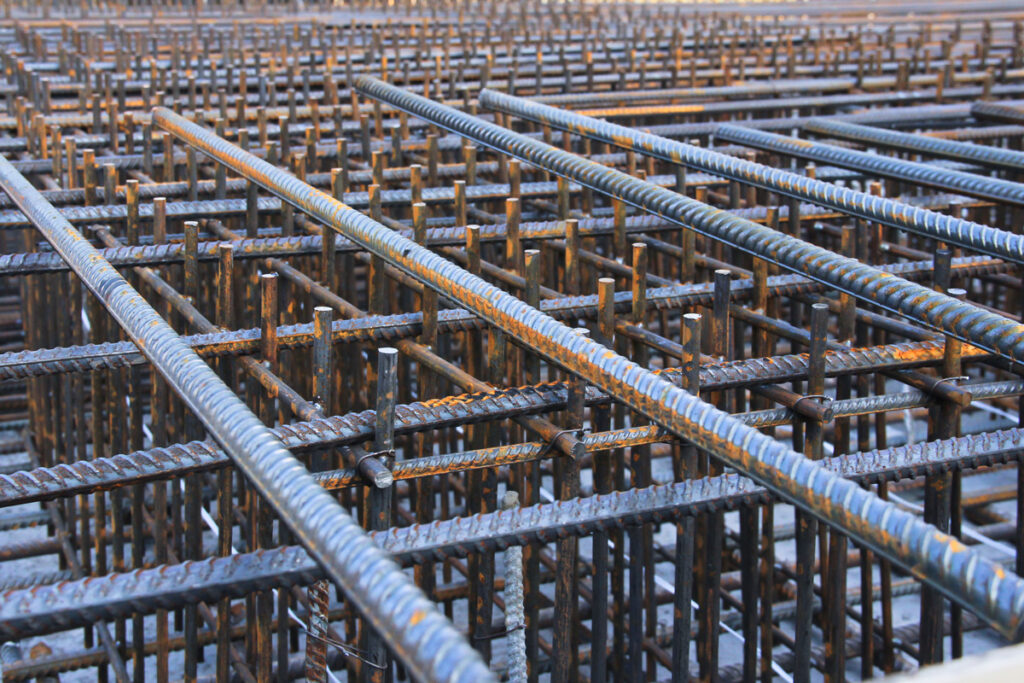
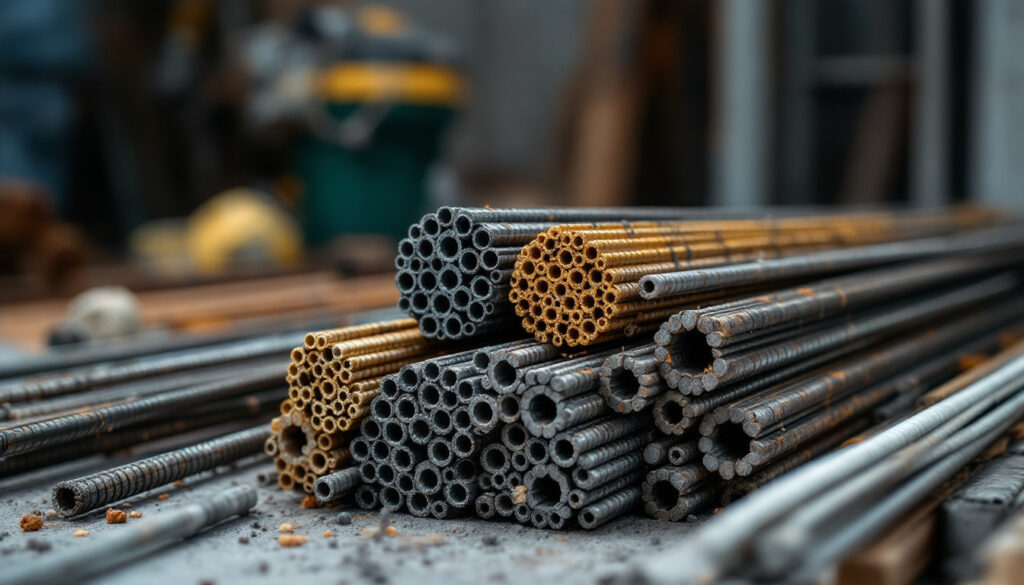
Reobars are steel reinforcing bars set inside concrete to improve strength, control cracking, and help slabs, footings, stairs, balconies, and retaining walls carry loads. In Australian homes, they are common in concrete slabs, garage floors, suspended balconies, and some masonry construction.
For investors, the key issue is that steel hidden inside concrete can corrode if water and salts reach it. When that happens, the concrete can crack, spall, and weaken, which can affect rental safety, insurance, and resale value.
Are reobars worth checking before buying a property?
Yes, reobars worth checking is a sensible rule when a purchase includes structural concrete, especially if there are signs of movement, moisture, or coastal exposure. A basic visual check plus the right professional inspection can reduce the risk of inheriting expensive repairs.
Most buyers will not need destructive testing. They should focus on identifying red flags early, then deciding whether to proceed, renegotiate, or walk away based on professional advice.
Which property types make reobars worth checking most often?
Reobars worth checking most often applies to properties with more concrete and more exposure. That includes flats with balconies, older unit blocks with concrete stairs, homes with suspended slabs, and houses with large retaining walls or converted garages.
Coastal locations across NSW, QLD, SA, WA, and VIC can also raise risk due to salt-laden air. Investor-grade stock in beachside suburbs can perform well, but the building fabric needs closer scrutiny.
What are the common warning signs of rebar corrosion or concrete failure?
The clearest signs are concrete cracking that is wide, stepped, or growing; rust staining; bulging concrete; and flaking or delaminating surfaces. On balconies and slab edges, spalling that exposes steel is a strong indicator that corrosion is active.
Investors should also pay attention to recurring water ingress, ponding on balconies, failed waterproofing, and poorly executed patch repairs. These issues often show that the underlying cause was not fixed.
Where should buyers look first when checking reobars?
They should start at high-risk, high-exposure areas: balconies, external stairs, car parks, retaining walls, and slab edges around garages and patios. These locations often show symptoms earlier because water enters from the outside.
Inside a house, they should look at the garage slab, any visible concrete beams, and areas near bathrooms or laundries where long-term moisture may have travelled. The goal is not to diagnose but to decide if reobars worth checking needs escalation to specialists.
Can a standard building and pest inspection confirm rebar condition?
A standard building and pest inspection can identify visible concrete defects and recommend further assessment, but it usually cannot confirm internal rebar condition. Inspectors typically do not perform cover meter scans, chloride testing, or half cell potential testing as part of a standard scope. Understanding structural concrete inspection methods can help property owners recognise when specialist testing may be required for a more detailed assessment of building integrity.
That is why reobars worth checking should be treated as a two stage process. First, the general inspection finds the symptoms. Second, a structural engineer or concrete remediation specialist confirms cause, severity, and likely repair options.
When should a structural engineer be engaged, and what should they assess?
They should be engaged when cracking appears structural, when spalling exposes steel, when balconies show deflection, or when retaining walls show movement. In strata, they should also be considered if the building has recurring waterproofing failures or concrete cancer concerns in common property.
A good assessment typically covers probable cause, safety implications, repair pathways, and risk if left untreated. For investors, the report should also outline whether the issue is cosmetic, maintenance based, or a sign of broader building decline where reobars worth checking becomes a negotiation lever.
How much can rebar related repairs cost in Australia?
Costs vary widely based on access, height, and extent of damage. Small patch repairs may be manageable, but widespread balcony spalling, structural rectification, or failing retaining walls can become expensive and disruptive, especially in strata where scaffolding and compliance may be required.
For landlords, there is also the hidden cost of vacancy, reduced rent during works, and increased insurance scrutiny. That is another reason reobars worth checking should be done early, before they are emotionally committed to the deal.
How does this affect property investors differently from owner occupiers?
Investors need predictable cash flow and controllable maintenance. Concrete deterioration can create irregular capital expenses that reduce yield, and it can also trigger rental compliance issues if balustrades, stairs, or slabs are unsafe.
It also affects exit strategy. If a future buyer notices defects, they may discount the price or require engineering reports. Investors who treat building defect checks before purchasing an investment property as part of due diligence are more likely to avoid assets that become difficult to sell and make more informed decisions about long-term property value.
What should landlords know about strata properties, balconies, and rebar risk?
In strata, balconies, slabs, and external walls are often common property or shared responsibility, depending on the plan and state rules. That means a landlord may pay via levies or special levies, even if the damage is not within their lot.
They should review strata records, minutes, and capital works forecasts for signs of recurring concrete repairs. If the building has a history of patching without long-term remediation, reobars worth checking becomes essential before exchange, not after settlement.
How can buyers use rebar findings to negotiate price or contract terms?
If inspections show defects consistent with rebar corrosion risk, buyers can request further investigations, negotiate a price reduction, or ask for specific conditions such as engineer clearance. In some cases, it is more practical to walk away if the scope is uncertain or funding is unclear.
They should keep negotiations evidence-based. Photos, inspection notes, and an engineer summary typically carry more weight than general concerns. Done properly, reobars worth checking can protect them from paying retail pricing for a property with hidden structural liabilities.
What is a practical checklist investors can follow at inspections?
They should use a simple process that flags risk without guessing causes. This is where reobars worth checking becomes repeatable across multiple inspections.
- Check balconies and external stairs for rust stains, spalling, drummy concrete, and ponding water.
- Look along slab edges, garage thresholds, and retaining walls for cracking patterns and displacement.
- Note any fresh paint or render patches that may be covering repairs.
- Ask about waterproofing history for balconies, bathrooms, and podium areas.
- In strata, request records for concrete remediation, water ingress, and special levies.
- Escalate to an engineer if defects look structural or if steel is visible.
Are reobars worth checking if the property looks modern and well maintained?
Often yes, because appearance can hide shortcuts. Newer builds can still have issues if concrete cover is insufficient, waterproofing fails early, or drainage directs water into slab edges.
Modern flats with large balconies and planter boxes can be higher risk than they look. Investors should treat reobars worth checking as a risk filter, not an age filter, especially when the asset will be held as a rental for years. Balcony structural inspection considerations for property buyers can help investors identify potential issues early, understand maintenance requirements, and make more informed decisions before committing to a long-term investment.
What is the bottom line for Australian property investors and landlords?
For most purchases involving concrete elements, reobars worth checking is a smart, low regret step in due diligence. It helps investors avoid buildings with hidden deterioration, reduces the chance of surprise capital works, and supports stronger negotiations when defects are present.
When in doubt, they should start with a strong building inspection, then escalate to a structural engineer where the evidence justifies it. That approach aligns with the goal of making confident, well informed property decisions in the Australian market.

