What F14 Grade Plywood Costs in Australia, and What Drives the Price
Pricing timber products in Australia is rarely as simple as a single number. Buyers might see one sheet listed at a surprisingly sharp price, then find the same thickness and size somewhere else for a lot more. Freight, certification, core quality, and supply swings all get baked in.
This guide breaks down what people typically pay, what makes the number move, and how to avoid paying premium dollars for a sheet that does not perform like it should.
What does F14 grade plywood usually cost in Australia right now?
In Australia, F14 grade plywood commonly lands in a mid-range price band for structural sheet goods, with most retail pricing sitting roughly between $70 and $160 per sheet depending on thickness, face grade, and whether it is treated or certified. Bigger orders through trade channels can come in lower per sheet, especially on full packs.
That range exists because one “plywood” listing can mean very different things once someone checks the stamp, veneer species, glue type, and allowable structural use.
How do thickness and sheet size change the price?
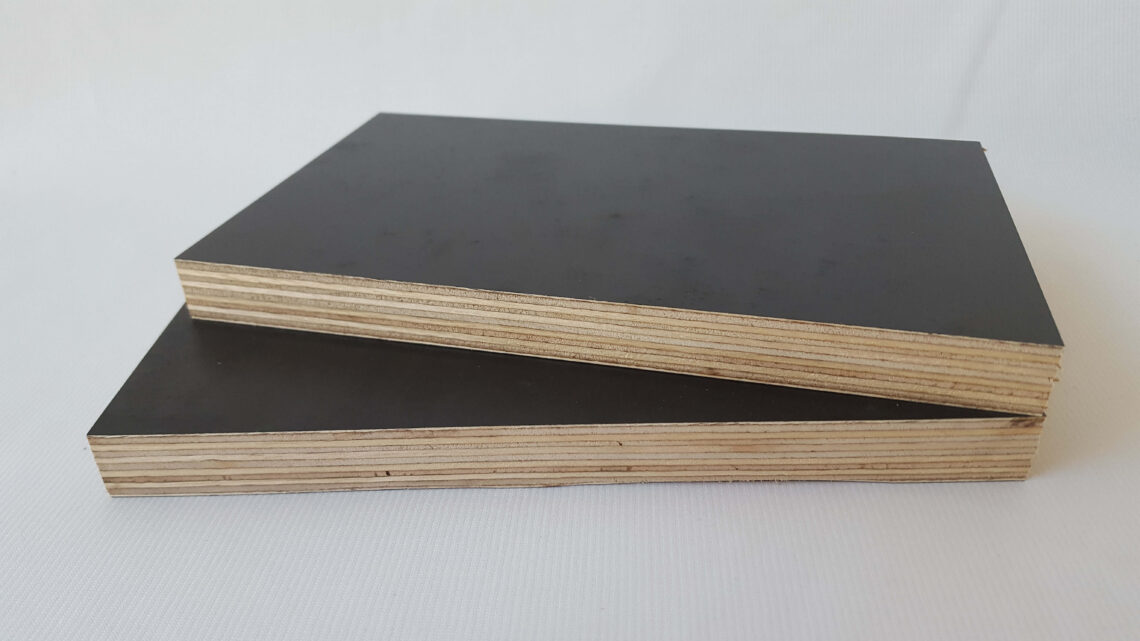
Thicker sheets cost more because they use more veneer, more glue, and more press time. In Australian yards, the jump from 12 mm to 17 mm is often where budgets start to feel it, and 25 mm sheets move again.
Standard 2400 x 1200 mm is the baseline. Oversize sheets, or non-standard dimensions, usually carry a premium and can be harder to source outside major capitals.
Why does structural certification matter to the price?
Certification costs money, and it shows up on the invoice. Structural sheets that are clearly stamped to Australian standards, with traceable manufacturer details, typically price higher than imported sheets with vague markings.
For many applications, that premium is the whole point. They are paying for predictable strength and compliance, not just a flat panel that looks right on day one.
What role do Australian standards and stamps play?
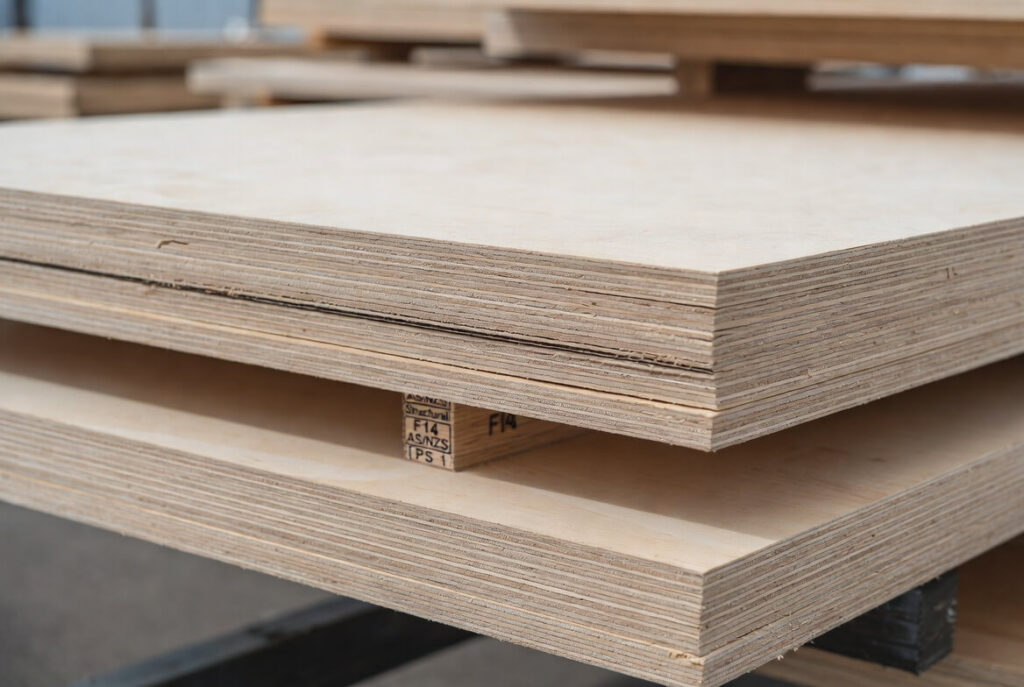
Stamps are the buyer’s quick filter. In Australia, the panel stamp should make it clear what the sheet is rated for, including stress grade, bond classification, and often the standard it claims compliance with.
If the stamp is missing, unclear, or inconsistent across a pack, that can be a red flag even when the price looks attractive. Cheap sheets can become expensive once rework, disputes, or engineering sign off enters the picture.
Is F14 grade plywood more expensive than other structural grades?
Sometimes yes, sometimes not, because it depends what the comparison grade is and whether both products are truly equivalent. In general, F14 grade plywood sits as a dependable structural option that can cost more than non-structural or general purpose panels, but may be priced close to other structural sheets when supply is good.
Where buyers tend to feel a bigger gap is when they compare certified structural sheets against ungraded imports that are marketed loosely.
How much do timber species and veneer quality affect pricing?
Species matters because it affects yield, availability, and performance. Plantation softwood-based panels can be priced differently to mixed hardwood or tropical hardwood-faced products, and the market moves with import conditions and local harvest settings.
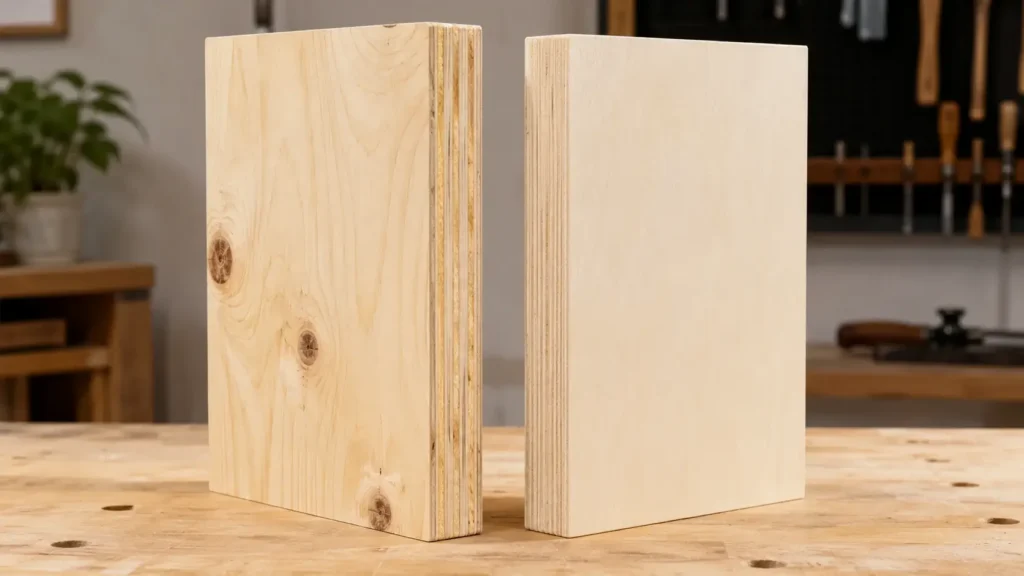
Veneer quality matters too. Better cores have fewer voids and more consistent ply thickness. That tends to lift the price but also reduces the risk of weak spots at fixings.
Do interior, exterior, and marine glue bonds change the cost?
Yes, bond class is a major lever. Exterior-rated bonds typically cost more than interior, and marine-style manufacturing controls can push higher again. The glue system and pressing standards can be different, and that affects both price and long-term durability.
In practice, buyers should match bond rating to exposure. Paying for exterior performance when the sheet lives fully inside can be unnecessary, but under-specifying is a classic false economy.
How does treatment for termites and moisture influence the price?
Treated sheets usually cost more because treatment adds processing steps and compliance requirements. In many Australian regions, termite risk drives the decision, especially for certain building types and locations.
Moisture exposure also matters. When projects face weather during construction, builders often prefer products that tolerate site conditions better, even if it adds pounds per sheet.
Why can prices vary so much between Sydney, Melbourne, Brisbane, Perth, and regional areas?
Freight and distribution are huge in Australia. Metro pricing can be sharper because stock turns faster and more suppliers compete. Regional pricing can climb due to transport distance, fewer competing yards, and limited stock lines.
Perth and some regional WA locations can see larger swings when supply chains tighten because freight costs and availability move together.
How do supply chain issues and import conditions push the price up or down?
Many structural panels rely on imported supply, and import pricing is sensitive to currency, shipping space, port delays, and international demand. When containers tighten, sheet goods feel it quickly.
Even local products are affected. If imported options dry up, demand shifts to domestic supply and the market rebalances through price.
What should buyers look for when comparing quotes?
They should compare like for like. That means confirming thickness, sheet size, face grade, stamp details, bond class, and whether the product is actually structurally rated for the intended use. If a quote is missing those details, it is not really comparable.
They should also ask about pack quantities and lead times. A low price that requires a long wait can cost more overall if it stalls a build.
How can someone avoid overpaying for F14 grade plywood?
They can avoid overpaying by checking the stamp, confirming suitability, and buying through the right channel for the job. For instance, a builder buying full packs may get a better outcome via trade supply than a one sheet retail purchase.
They should also avoid buying purely on face appearance. F14 grade plywood is about structural performance, so core consistency and compliance matter more than a clean looking veneer.
When is it worth paying extra for higher quality panels?
It is worth paying extra when the sheet is structural, visible, hard to replace later, or critical to squeak-free performance. Flooring, bracing, and components that will be covered up but relied on for decades are where better core quality earns its keep.
In those cases, paying more for F14 grade plywood from a reputable supplier can reduce defects, callbacks, and waste.
What are common real world use cases in Australia, and what do they mean for budget?
Common uses include flooring, bracing, general structural sheeting, and some outdoor projects when the bond rating suits. Budgets should allow not just for sheets, but for waste, cutting patterns, and site storage.
Where projects need consistent engineering performance, choosing F14 grade plywood can simplify approvals and reduce “will this pass” uncertainty during inspections.
How many sheets are typically bought at once, and does volume pricing help?
Many suppliers price more keenly on pack lots or larger orders. That can be meaningful on builds requiring dozens of sheets, where small per sheet reductions add up fast.
For small renovations, the buyer often pays more per sheet simply because they are buying singles, not pallets. Some will still negotiate if they can bundle fixings, framing timber, and sheets together.
What quick checklist helps confirm value before purchasing?
They should check the stamp, bond class, thickness, and manufacturer details first, then confirm sheet flatness and edge condition at pickup or delivery. They should also ask how the sheets have been stored, because wet storage can ruin even a good product.
For structural work, they should keep documentation. It is easier to prove compliance when the supplier invoice clearly lists F14 grade plywood and the relevant product line.
So what is the practical takeaway on price drivers?
In Australia, the cost of F14 grade plywood is shaped by thickness, certification, bond class, treatment, freight, and supply conditions, not just what a retailer decides to charge. Two sheets can look similar, but perform differently and price differently for good reasons.
For most buyers, the best value comes from matching the exact rating to the job, confirming the stamp, and comparing quotes that list the same compliance details. That is how they keep both the budget and the build quality under control.
FAQs (Frequently Asked Questions)
What is the typical price range for F14 grade plywood in Australia?
F14 grade plywood in Australia generally costs between $70 and $160 per sheet, depending on factors like thickness, face grade, treatment, and certification. Trade purchases of full packs can often secure lower prices per sheet.
How do thickness and sheet size affect the cost of plywood sheets?
Thicker plywood sheets cost more due to increased material and manufacturing requirements. Standard sheets measure 2400 x 1200 mm; oversize or non-standard dimensions usually carry a premium and may be harder to source outside major cities.
Why does structural certification influence the price of plywood?
Structural certification adds cost because it ensures compliance with Australian standards, traceability, and predictable strength. Certified sheets typically cost more than unmarked or vaguely marked imports but provide assurance for critical structural applications.
How important are Australian standards and stamps when purchasing plywood?
Australian stamps indicate stress grade, bond classification, and compliance standards. Missing or unclear stamps can signal quality issues, leading to potential rework or disputes. Buyers should prioritise sheets with clear, consistent stamping for reliability.
Do timber species and veneer quality impact plywood pricing?
Yes, timber species affect yield, availability, and performance; plantation softwoods differ in price from hardwoods. Higher veneer quality with fewer voids and consistent ply thickness increases cost but reduces risks like weak fixing points.
When should buyers consider paying extra for higher quality or treated plywood panels?
Paying extra is worthwhile for structural applications requiring certified performance, visible panels needing better aesthetics, or areas exposed to termites and moisture where treated or marine-grade bonds enhance durability and longevity.