What to Look for When Buying MGP10
Buying MGP10 can feel oddly technical for something that, on the surface, looks straightforward. In Australia, buyers are usually choosing between a few common configurations, then trying to match that to a job site, a vehicle, and local compliance.
This guide keeps it simple. Each section is a question people actually ask, with the key answer up front. Then the details that tend to trip buyers up later.
What is MGP10 and what is it typically used for in Australia?
MGP10 is a structural pine grading used widely across Australian residential and light commercial builds. It is commonly selected for wall framing, trusses, and general structural members where a consistent, known strength class is required.
Most buyers are choosing it because it is available, familiar to certifiers, and cost effective compared to higher grades. The real trick is buying the right size, treatment, and moisture condition for the exact use.
Is MGP10 the right grade for the structure they are building?
MGP10 is suitable for many standard framing applications, but it is not automatically the right answer for every span, load, or design. The correct grade should come from the engineer’s design, the truss supplier’s specification, or the approved plans.
If they are replacing members during renovations, matching the existing grade and dimensions matters. In some cases, the original design may call for a higher grade, or for engineered timber products instead.
What sizes and lengths should they check before ordering?
They should confirm sizes directly against drawings because timber naming and actual dimensions can be confusing. A “90 x 45” is not the same thing as a length requirement, and lengths vary by supplier and state.
For MGP10, it is also worth checking availability in the buyer’s area, because regional yards can stock different common lengths. Ordering the wrong lengths leads to waste, extra joins, and time delays on site.
Should they buy treated or untreated, and which treatment level suits Australian conditions?
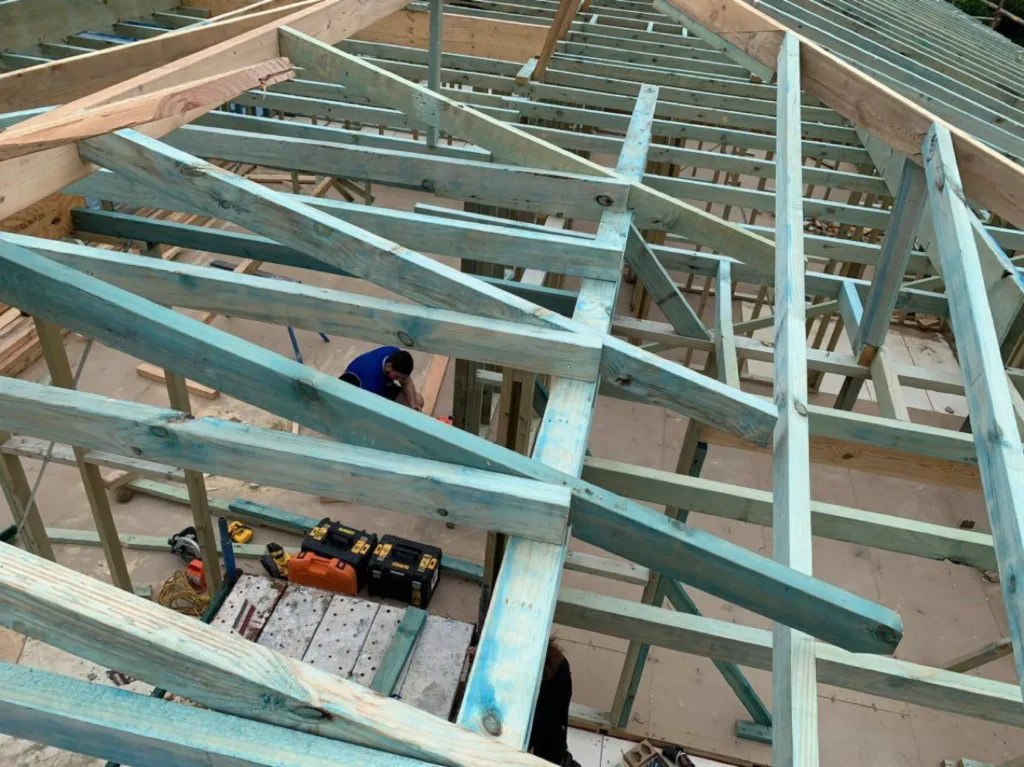
They should choose treatment based on exposure and termite risk, not price. Untreated timber is generally for internal, dry, protected locations, while treated timber is used where moisture, termites, or external exposure is expected.
In Australian terms, they will often see treatment classes like H2F for indoor framing in termite areas, and higher levels for more exposed use. If the framing is near wet areas or in a termite prone zone, treatment selection is not optional.
How important is moisture content when buying framing timber?
Moisture content matters because movement causes problems later. They should aim for timber that suits the build stage and expected environment, so it stays straighter and the linings behave.
With MGP10, twisted studs and shrinking plates can turn into plaster cracks, squeaky floors, and doors that stop closing properly. If the timber feels damp, is freshly wrapped without ventilation, or has obvious staining, they should ask questions before it goes into a wall.
What should they look for in straightness, knots, and visible defects?
They should inspect for straightness first because a bowed stud costs more in labour than it saves in purchase price. They can sight down the length and reject pieces with major bow, crook, or twist, especially for wall studs and long plates.
Knots, checks, and splits are normal to a point, but they should not accept severe defects in key members. If the pack looks inconsistent, it is often better to swap the pack than fight it all day on site.
Does MGP10 need specific markings or documentation in Australia?
Yes, they should look for clear grade branding and supplier information. In Australia, grading is typically shown by a stamp, ink mark, or printed pack label that identifies the grade and mill details.
For MGP10, proper identification helps with inspections, insurance questions, and any later dispute about what was supplied. If the timber is unmarked or the yard cannot provide documentation, buyers should treat that as a warning sign.
How do Australian standards and approvals affect what they can use?
They should ensure the timber matches what the approved plans and relevant Australian Standards expect. Compliance can affect everything from structural performance to whether a certifier signs off without drama.
If they are changing materials mid build, even a “small” change can need confirmation from the engineer or building surveyor. The safe approach is simple: buy what the design specifies, and keep paperwork.
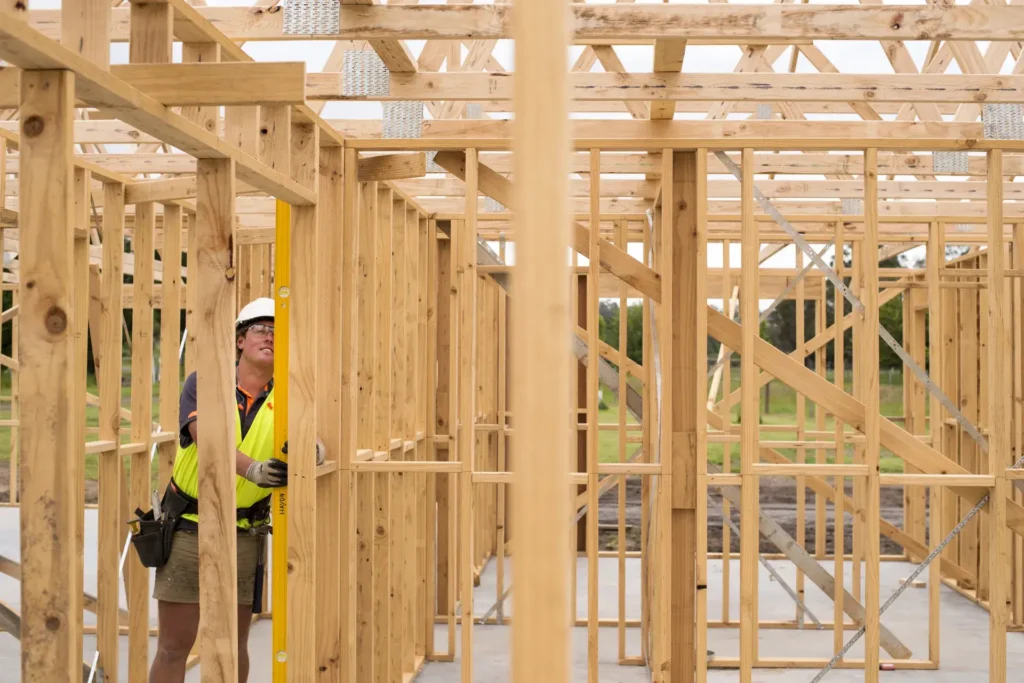
Should they choose MGP10 or engineered timber for better consistency?
They should choose based on the job’s tolerance for movement and the required spans. Engineered products can be straighter and more consistent, but they can cost more and may need different fixings or detailing.
That said, MGP10 remains common because it is easy to work with, readily available, and accepted in typical framing designs. Many builds use a mix, with engineered members where long spans or precision matters.
What should they ask suppliers about sourcing and sustainability in Australia?
They should ask where it was grown and milled, and whether the supplier can provide sustainability credentials. Australian buyers often prefer locally grown plantation pine because it reduces transport and is easier to verify.
With MGP10, they can request information on certification schemes and chain of custody, especially for larger projects. It is not just a feel-good point. Some commercial jobs and tenders require proof.
How do they compare pricing without getting caught by hidden differences?
They should compare like for like: same grade, same dimensions, same treatment class, and similar moisture condition. A cheap quote can hide untreated timber, shorter lengths, or a different product entirely.
For MGP10, pack pricing can also vary depending on whether they are buying random lengths, set lengths, or select grade packs. Delivery, unloading, and restocking fees matter too, particularly for metro Sydney, Melbourne, Brisbane, Perth, and regional runs.
What delivery, storage, and handling details should they plan for on an Australian site?
They should plan storage before the lorry arrives. Timber left in the weather, stored on uneven ground, or stacked without support can warp quickly, especially in hot and humid conditions.
If they are buying MGP10 for a multi-stage build, they should keep packs off the ground, covered but ventilated, and supported evenly. It is also wise to schedule delivery close to installation time, to reduce site damage and theft risk.
What common mistakes do Australian buyers make when choosing MGP10?
They often buy based on price alone, then lose money in waste and labour. Another common mistake is mixing treated and untreated timber without a clear plan, which can create durability risks and inspection issues.
They also forget to check straightness at delivery and accept poor packs because returning timber feels inconvenient. With MGP10, early checking is the difference between a smooth frame and a frustrating one.
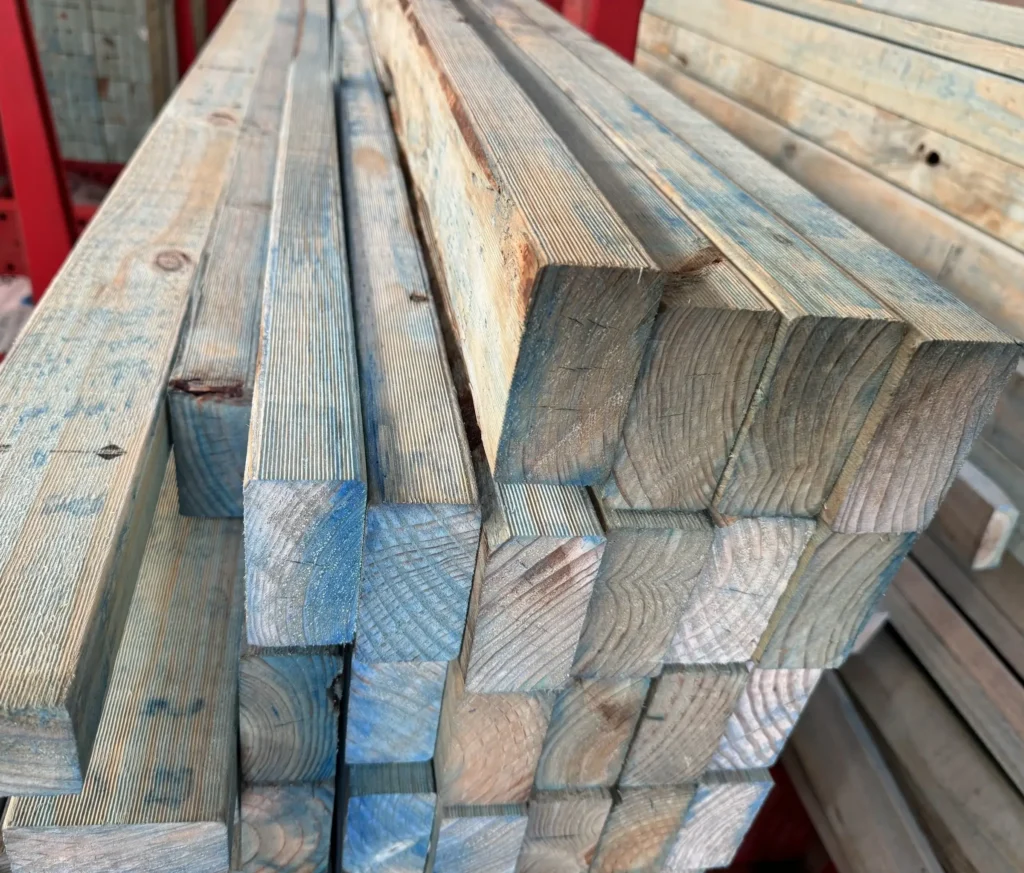
How can they make a confident final decision before paying?
They should cross-check four things: the design spec, the treatment requirement, the size list, and visible quality on delivery. If any of those do not match, they should pause and clarify before the timber is cut.
For MGP10, confidence usually comes from boring basics done well. Correct grade, correct treatment, straight packs, and paperwork kept in a folder. That is what prevents annoying surprises later.
FAQs (Frequently Asked Questions)
What is MGP10 and what are its common uses in Australian construction?
MGP10 is a structural pine grading widely used across Australian residential and light commercial builds. It is typically selected for wall framing, trusses, and general structural members where a consistent strength class is required. Buyers choose it for its availability, familiarity to certifiers, and cost-effectiveness compared to higher grades.
Is MGP10 the appropriate timber grade for all building structures?
While MGP10 suits many standard framing applications, it isn’t automatically suitable for every span, load, or design. The correct grade should be determined by the engineer’s design, truss supplier’s specifications, or approved plans. For renovations, matching existing grades and dimensions is crucial. Sometimes higher grades or engineered timber products may be necessary.
How do I select the correct sizes and lengths of MGP10 timber before ordering?
Confirm sizes directly against your drawings because timber naming can be confusing; for example, ’90 x 45′ refers to cross-sectional dimensions, not length. Lengths vary by supplier and state. Check availability in your local area as regional yards stock different common lengths. Ordering incorrect lengths can cause waste, extra joins, and delays on site.
Should I buy treated or untreated MGP10 timber and which treatment level suits Australian conditions?
Treatment choice depends on exposure and termite risk rather than price. Untreated timber suits internal, dry, protected locations; treated timber is necessary where moisture, termites, or external exposure are expected. In Australia, treatment classes like H2F are common for indoor framing in termite areas; higher levels apply for more exposed uses. Treatment selection is essential near wet areas or termite-prone zones.
Why is moisture content important when purchasing MGP10 framing timber?
Moisture content affects timber movement which can cause problems later such as twisted studs leading to plaster cracks, squeaky floors, or doors that don’t close properly. Aim for timber with moisture content suited to the build stage and environment to keep it stable. Avoid damp timber or freshly wrapped packs without ventilation; inspect for staining before installation.
What should I look for regarding straightness, knots, and defects in MGP10 timber?
Inspect straightness first as bowed studs increase labour costs despite lower purchase price. Sight down the length to reject pieces with major bow, crook or twist especially in wall studs and long plates. Some knots, checks and splits are normal but severe defects in key members should be rejected. If a pack looks inconsistent overall, it’s better to swap it than struggle on site.
Related: What F14 Grade Plywood Costs in Australia, and What Drives the Price