
What Should Be on Your Property Checklist? Including Arborist Lane Cove
What is a property checklist and why do investors need one?
A property checklist is a repeatable set of inspections and actions used before purchase and throughout ownership. For investors, it reduces surprises that hurt cash flow, avoids missed compliance items, and supports better tenant outcomes.
It works best when it is used at three points: due diligence, pre-lease, and routine maintenance. It should be documented, time-stamped, and paired with quotes where repairs are likely.
What should be checked before buying an investment property?
They should start with fundamentals that affect value, insurance, and rentalability: building integrity, water ingress, pests, and compliance. A checklist should also include strata records where relevant and a clear estimate for immediate and medium-term works.
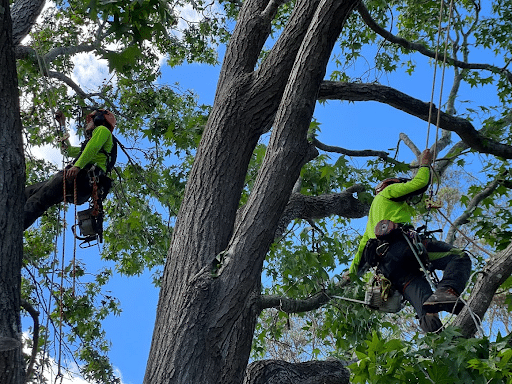
If trees are close to structures, fences, or drainage, vegetation should be assessed early. In some suburbs, calling an arborist Lane Cove can clarify whether pruning, risk reduction, or approvals are likely to be needed.
What structural and building items should be on the checklist?
They should check for cracking, movement, and signs of poor drainage around footings, plus the condition of the roof, gutters, external cladding, windows, and balcony waterproofing. Internal checks should include ceilings, wet areas, and subfloor ventilation where accessible.
Photos and notes matter. If a minor defect is ignored, it often becomes a larger repair that disrupts tenancy and increases vacancy risk.
What water, mould, and drainage checks should landlords prioritise?
They should look for stains, bubbling paint, swollen skirting boards, musty odours, and damp patches in bathrooms, laundries, and around windows. Outside, they should confirm downpipes discharge correctly and that surface water flows away from the building.
Blocked gutters, poor grading, and root intrusion can worsen water issues. Where trees are contributing to drainage or moisture problems, an arborist Lane Cove may be relevant to manage canopy density and root-related risks.
What electrical, gas, and plumbing essentials should be included?
They should confirm switchboard condition, presence of safety switches, visible wiring issues, and the general condition of power points and lighting. For gas, they should ensure appliances appear compliant and serviced, and that any smells or corrosion are investigated.
Plumbing checks should cover water pressure, hot water system age, leaks under sinks, and signs of pipe corrosion. A small leak can become a tenancy dispute quickly, so it should never be treated as cosmetic.
What compliance and safety requirements should be on the checklist in Australia?
They should include smoke alarms (installed correctly and maintained), pool and spa compliance where applicable, and minimum rental standards relevant to their state or territory. Window safety devices, balustrade integrity, and trip hazards should also be checked. Essential rental property safety requirements can provide further guidance for investors looking to maintain compliance, reduce risks, and create a safer environment for tenants.
Documentation is part of compliance. They should keep invoices, certificates, and inspection reports in a property file so they can evidence maintenance if disputes arise.
What tenancy-ready items should be checked before advertising the property?
They should confirm the property is clean, secure, and functional, with working locks, latches, and window fittings. They should check that all appliances operate, that blinds and curtains are safe and usable, and that lighting is adequate across entry points and outdoor areas.
A property checklist should also include small presentation items that reduce vacancy, such as fresh silicone in wet areas, repaired flyscreens, and tidy gardens.
What ongoing maintenance should be scheduled to protect rental returns?
They should plan routine inspections of gutters, roofing, external paintwork, fences, decks, and wet areas, rather than waiting for tenant reports. Preventative maintenance tends to cost less and avoids emergency callouts.
Seasonal planning is useful. Before storm season, they should inspect drainage and vegetation, and in leafy suburbs they may need an arborist Lane Cove to reduce limb failure risk and manage clearance from roofs and powerlines.
What tree and vegetation checks should be included, and when is an arborist needed?
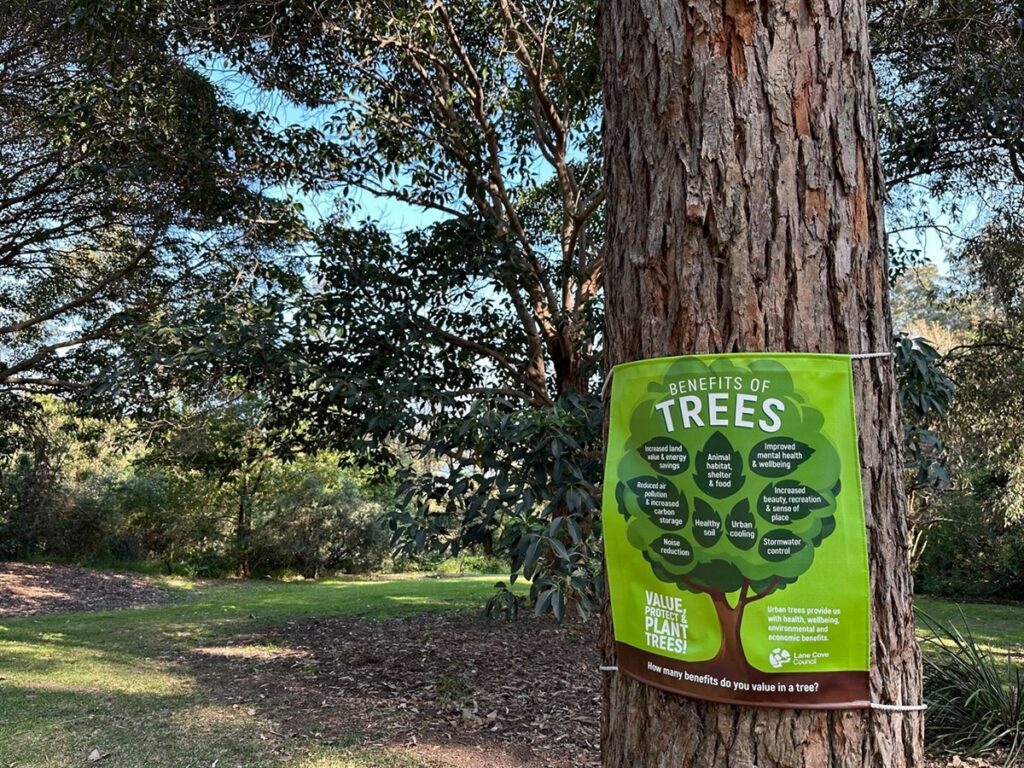
They should check whether trees overhang roofs, block gutters, interfere with power lines, or create slip hazards from leaf litter. They should also look for heaving paths, cracked retaining walls, and blocked drains that can suggest root intrusion.
Where risk or protected vegetation is involved, a qualified arborist Lane Cove can provide a report, pruning recommendations, and guidance on approvals. This is especially relevant in established suburbs where large trees are common and neighbours are close, making professional tree assessments important for managing safety concerns, compliance requirements, and ongoing property maintenance.
What fences, retaining walls, and boundaries should be checked?
They should confirm fences are upright, stable, and secure, with functioning gates and no sharp or broken sections. Retaining walls should be checked for leaning, cracking, drainage issues, and signs of pressure build-up.
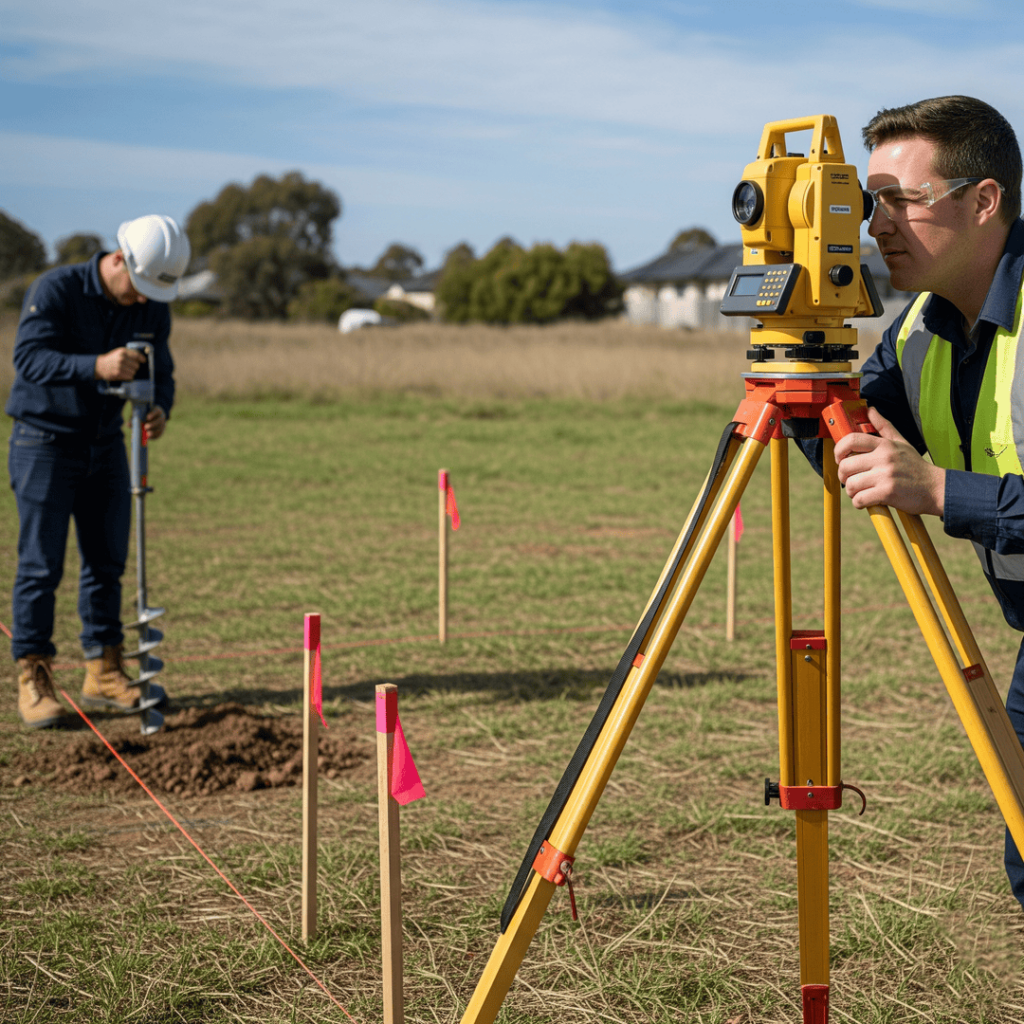
Boundary clarity matters for investors. If a fence line appears inconsistent with survey pegs or title plans, they should investigate early, as boundary disputes can be expensive and slow to resolve.
What strata and apartment-specific items should be on the checklist?
They should review strata minutes, capital works plans, levies, and any history of water ingress, cladding concerns, or major rectification works. Common property condition should be assessed, including lifts, parking areas, and security systems.
They should also confirm by-laws affecting leasing, pets, renovations, and short-stay rules. A strong property checklist includes a strata document review step, not just a physical inspection.
What location and risk checks help avoid costly surprises?
They should check flood overlays, bushfire-prone mapping, local development applications, aircraft noise corridors, and any nearby infrastructure projects. Rental demand drivers such as transport links, schools, and major employment nodes should also be noted.
Local conditions influence maintenance too. In higher tree-canopy areas, they may budget for more gutter cleaning and engage an arborist Lane Cove when canopy management affects safety, insurance, or neighbour relations.
What documents and records should be kept with the checklist?
They should store purchase and warranty documents, compliance certificates, inspection reports, appliance manuals, and a log of maintenance completed. Condition photos at key milestones, such as pre-lease and each routine inspection, should be kept in a consistent folder structure.
This record-keeping strengthens their position if disputes arise and improves decision-making when selling, refinancing, or planning renovations.
What is a practical property checklist template they can use?
They can structure a property checklist into sections: pre-purchase due diligence, pre-lease readiness, routine maintenance, and annual risk review. Each section should have tick boxes, a space for photos, and a priority rating for repairs. Property maintenance checklist for long-term ownership planning can help buyers and investors organise inspections, track potential issues, and make informed decisions about repairs and ongoing property care.
For example, the annual review can include drainage, roof and gutters, safety compliance, and vegetation risk. If trees are a known factor, they can add a line item for an arborist Lane Cove assessment to keep management proactive rather than reactive.
What is the simplest way to use this checklist without overcomplicating it?
They should run it the same way every time: inspect, photograph, quote, schedule, and file the evidence. A short, consistent process is more effective than a long checklist they do not maintain.
The goal is confidence and fewer surprises. Done properly, a property checklist protects yield, reduces urgent repairs, and supports smoother tenancies, whether the property is in Sydney, Brisbane, Perth, or a leafy pocket that occasionally calls for an arborist Lane Cove.

