
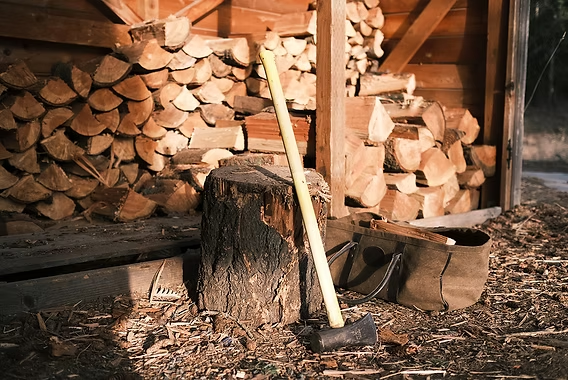
Is Firewood Worth Checking Before You Buy a Property?
Is firewood actually part of what they are buying?
Sometimes it is, sometimes it is not, and assumptions cause disputes. If a listing mentions “firewood included” or shows a stacked woodpile, they should confirm in writing whether it is included in the sale, excluded, or negotiable at settlement.
Even when it is included, it can be worthless if it is wet, rotting, or pest-infested. That is why firewood worth checking before you buy a property as a simple verification step.
Does a woodpile hint at the property’s heating reality?
A big woodpile can signal that the house relies heavily on solid fuel for winter comfort. That matters for tenant demand, rentability, and vacancy risk in cooler parts of Australia such as regional VIC, NSW tablelands, TAS, and the ACT.
If the property lacks efficient reverse-cycle heating, tenants may depend on wood. In that scenario, firewood near me is worth checking before you buy a property because it helps investors estimate whether heating costs will be a complaint, a selling point, or an ongoing maintenance headache.
Is the firewood dry, usable, and correctly stored?
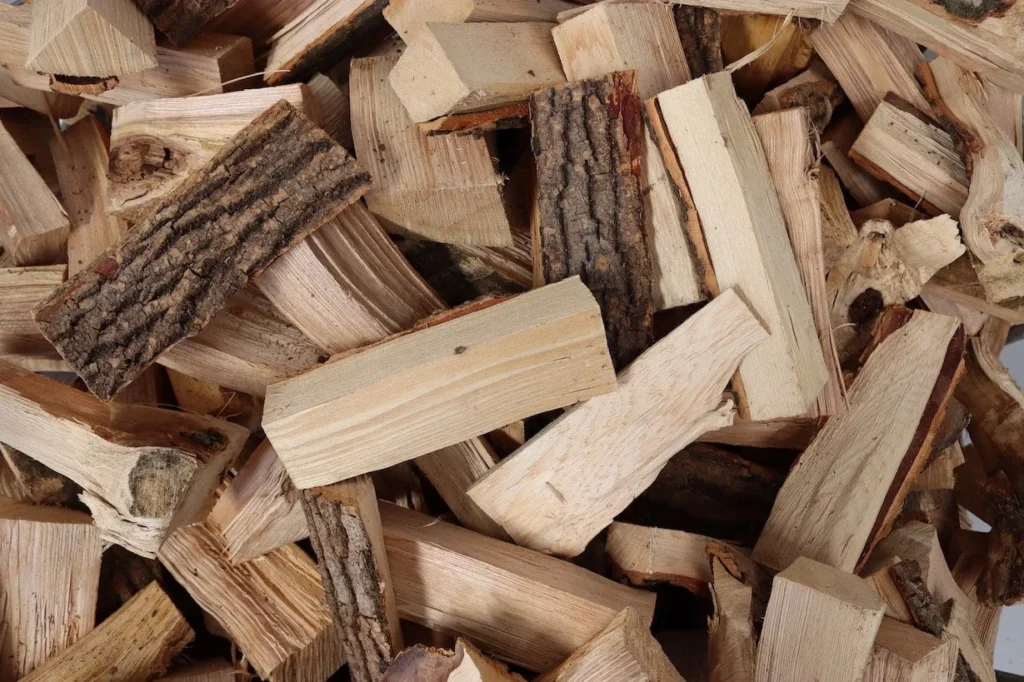
Dry, seasoned wood is lighter, cracked at the ends, and sounds hollow when knocked together. Wet wood is heavy, dull-sounding, and can grow mould, which reduces heat output and increases smoke.
Storage matters as much as dryness. Wood should be off the ground, covered on top (not fully wrapped), and stacked with airflow. Poor storage can attract termites and rodents, which is a key reason firewood worth checking before you buy a property during inspections.
Could the firewood introduce pests or timber risk?
Woodpiles can harbour termites, borers, cockroaches, spiders, and rodents, especially when stacked against external walls. Investors should look for mud tubes, frass, hollow-sounding timber, or termite activity near subfloors and garden beds.
If a property already has timber vulnerability, introducing or keeping an unmanaged woodpile can increase risk. In practical terms, firewood worth checking before you buy a property is partly a pest-control check disguised as a fuel check.
Does the property’s fireplace or wood burner look compliant and safe?
Firewood is only useful if the appliance and flue are safe, compliant, and insurable. Investors should visually check whether the burner is properly installed, the hearth looks appropriate, and the flue appears intact and correctly clear of combustibles.
They should also ask for any compliance paperwork, installation details, or service history. Even if the woodpile looks great, understanding sustainable firewood practices is worth exploring before purchasing a property, as it should trigger a wider safety check of the heating setup and help confirm whether the system is reliable, compliant, and suitable for long-term use.
Are there smoke, chimney, or creosote issues they can spot early?
A strong smoke smell indoors, soot staining, or heavy black residue around the flue can indicate poor drafting or a lack of maintenance. Burning wet wood increases creosote build-up, which raises chimney fire risk.
Investors can ask when the chimney was last swept and whether the current owner burns mostly hardwood, softwood, or mixed offcuts. This is another reason firewood worth checking before you buy a property can prevent expensive surprises after completion.
Could local rules make firewood use difficult for tenants?
In some Australian councils and neighbourhoods, smoke complaints and nuisance rules can be a real issue, particularly in denser areas or valleys where smoke lingers. Tenants may also face practical constraints like restrictions on collecting wood, limited storage space, or strata by-laws.
If tenants cannot easily source, store, and use wood, the “fireplace feature” becomes less valuable. So choosing the right type of firewood for home heating is worth considering before you buy a property, as it helps determine whether the lifestyle is practical and realistic for renters in that postcode.
Is sourcing firewood in that area affordable and reliable?
If the property is in a cold region, wood availability can be seasonal and pricing can swing before winter. Landlords should consider whether tenants will be expected to buy their own wood, and whether that expectation is normal in the local rental market.
If the property’s main heating is wood, unreliable supply can create tenant dissatisfaction. That is why firewood worth checking before you buy a property should extend to a quick scan of local suppliers and typical delivered prices.
Does firewood affect insurance, liability, or tenancy risk?
Yes, indirectly. Insurers can ask questions about solid-fuel heaters, installation quality, and maintenance. If a fire occurs and the heater is non-compliant or poorly maintained, claims can become messy.
From a tenancy perspective, landlords should think about ash disposal, fire safety, and whether tenants will store wood safely. In that context, firewood worth checking before you buy a property is part of reducing avoidable liability.
Should firewood influence the price they offer or conditions they set?
It should rarely move the price on its own, but it can justify conditions and negotiations if it points to bigger issues. For example, wet wood plus heavy soot can indicate poor maintenance, which may justify a chimney inspection or heater service as a condition.
If termites are suspected near stored wood, a timber pest inspection becomes non-negotiable. Put simply, firewood worth checking before you buy a property is valuable because it can change what they ask for during due diligence.
What should they ask the selling agent or vendor about the firewood?
They should keep questions simple and document answers. Useful questions include: what type of wood it is, how long it has been seasoned, whether it is included in the sale, and whether there is a regular supplier.
They can also ask when the flue was last cleaned and whether the heater has ever had issues with smoke backdraft. Since firewood worth checking before you buy a property is a practical check, short factual questions work best. Tree cutting safety considerations for residential properties can also be reviewed during a wider property assessment, especially when nearby trees may affect access, safety, maintenance requirements, or the overall condition of the site.
What is the quickest inspection checklist investors can use on the day?
They can do a fast pass without tools, then escalate to specialists only if needed. Check whether the wood is dry and elevated, whether it is stacked away from walls, and whether there are signs of pests nearby.
Inside, check for smoke staining, strong odours, and obvious damage around the hearth and flue. If anything looks off, firewood worth checking before you buy a property should lead to a specific inspection or quote before going unconditional.
So, is firewood worth checking before you buy a property?
Yes, because it is a small, fast check that can reveal much bigger property risks. For Australian property investors and landlords, firewood worth checking before you buy a property when it affects heating expectations, tenant experience, compliance, and pest exposure.
If the property markets itself on “cosy winter warmth”, they should confirm the wood is usable, the heater is safe, and the ongoing cost and practicality stacks up in that local rental market.

