What Separates a Thorough Property Inspection From a Rushed One: A Look at Tree Cutting
Tree work can be easy to underestimate because it sits outside the house, yet it affects safety, drainage, fences, insurance claims, tenant complaints, and even future maintenance access. The goal is not to turn a routine check into an arborist report, but to make sure the inspection is detailed enough to prevent expensive surprises.
What does a thorough property inspection actually look like when trees are involved?
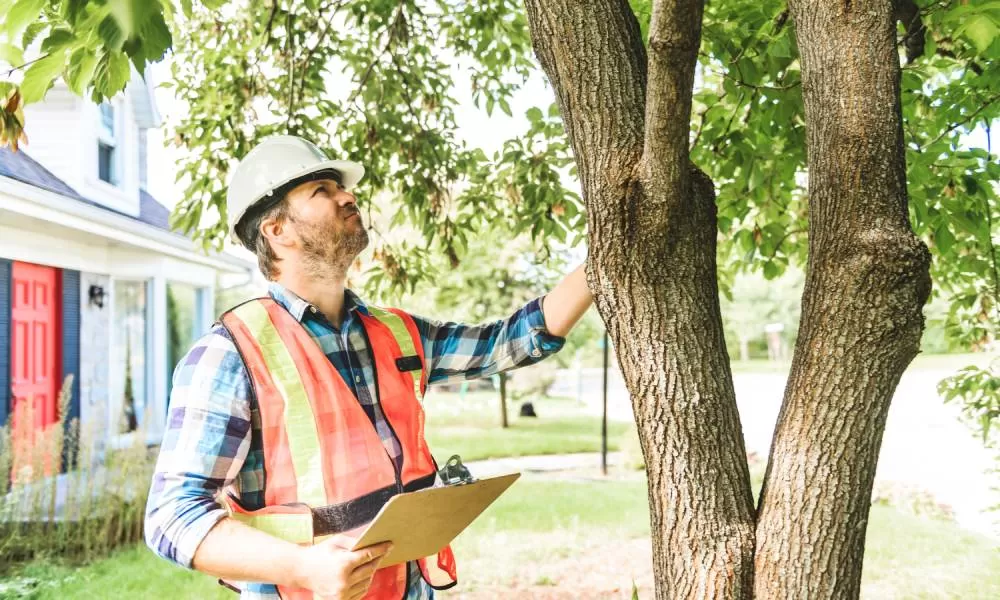
It looks like they assess the trees as part of the property’s risk profile, not as simple “garden presentation”. In practice, a thorough property inspection means walking boundaries, looking up as well as down, and linking tree condition to structures, services, and neighbouring lots.
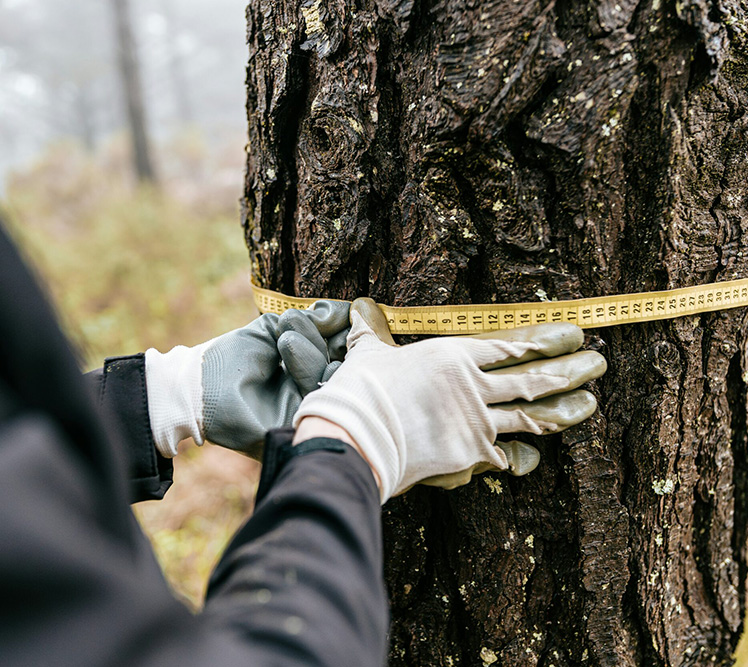
They note tree species where possible, canopy spread, lean, obvious deadwood, and any interference with roofs, gutters, driveways, power lines, fences, or retaining walls. They also document evidence with photos and clear location notes, so follow-up quotes and decisions are based on facts.
How does a rushed inspection miss tree cutting red flags?
It misses what is not immediately visible from the front yard. A rushed inspection often focuses on internal rooms and finishes, then treats outdoor areas as a quick glance, which is where tree cutting problems commonly hide.
They might not check the rear boundary, side access, or the neighbour’s trees overhanging the lot. They may also skip looking for lifted pavers, cracked paths, blocked stormwater points, gutter overflow staining, and branch rub marks on roofing and fascia.
Why is tree cutting a meaningful test of inspection quality?
Because it forces the inspector to connect multiple systems, not just tick boxes. Tree cutting decisions depend on proximity, future growth, wind exposure, drainage patterns, and the property’s layout, so it quickly shows whether the inspection is observational or analytical.
In Australia, where storms, bushfire risk zones, clay soils, and termite conditions vary by suburb, trees can shift from “nice feature” to “major liability” fast. A thorough property inspection treats that variability as a core part of due diligence.
Which tree risks should investors and landlords prioritise during an inspection?
They should prioritise risks that can cause structural damage, safety incidents, or recurring maintenance costs. The main ones are unstable limbs, trees too close to buildings, root invasion near pipes, and branches near power lines.
A thorough property inspection also flags trees that overhang neighbouring properties, because disputes and liability can land back on the owner. Even where responsibility is shared, owners usually pay in time, admin, and tenant frustration if it escalates.
What should they check around roofs, gutters, and stormwater before planning tree cutting?
They should check for leaf loading and overflow patterns because these are common triggers for water ingress and rot. A thorough property inspection looks for gutter sagging, rusting, pooling at downpipes, and staining on eaves that suggests repeated overflow. Regular gutter maintenance tips for preventing water damage can also help property owners understand the importance of keeping drainage systems clear and reducing long-term structural risks.
They also locate stormwater pits, ag drains, and any low points where leaves collect. If a property repeatedly floods near the house edge or patio, tree cutting may be only one part of the fix, but it is often the first practical step to reduce blockage.
How can trees signal hidden issues with fences, retaining walls, and neighbouring boundaries?
Trees often reveal movement and pressure points. A thorough property inspection looks for fence lines that bow, posts that lift, and retaining walls that crack or tilt, especially where roots track along the boundary.
They also check whether the trunk is inside the lot while the canopy extends over the neighbour, or vice versa. That matters because tree cutting access, approvals, and costs can change depending on exact location and council rules.
What evidence should a thorough property inspection record to support future decisions?
They should record clear photos, measurements, and context notes that a contractor can price from. A thorough property inspection typically captures wide shots showing distance to the dwelling, then close-ups of defects such as dead branches, cavities, fungal growth, or bark cracking.
They also note access constraints like narrow side paths, steep blocks, fragile landscaping, or locked gates. For investors, this documentation supports more accurate budgeting and reduces the chance of a quote being revised upwards once a contractor visits.
When does tree cutting become a tenant safety and liability issue?
It becomes a safety issue when branches could fall onto driveways, paths, play areas, or outdoor living zones that tenants use regularly. A thorough property inspection considers how the property is actually lived in, not just how it presents on the day. Tree safety checks for residential properties can provide valuable guidance on identifying potential hazards and maintaining a safer outdoor environment for occupants.
They also consider whether tree cutting is needed to restore safe sightlines for driveways or to reduce slip hazards from fruit drop and heavy leaf litter. If a tenant reports a hazard and it was predictable from inspection evidence, the landlord can face preventable exposure.
How do councils, protected vegetation, and approvals change the inspection approach in Australia?
They change it because “just cut it back” is not always an option. A thorough property inspection notes whether the tree appears established, large, or potentially protected under a local council’s significant tree register or vegetation overlay.
They do not need to give legal advice, but they should flag the need to confirm council requirements and strata bylaws where relevant. This matters for investors because a purchase budget can be thrown off if tree cutting requires permits, traffic management, or specialised arborist reporting.
What is the practical difference between cosmetic pruning and risk-based tree cutting?
Cosmetic pruning aims to tidy shape and improve light, while risk-based tree cutting focuses on preventing damage and injury. A thorough property inspection separates the two, so investors do not overpay for “nice to have” work while missing urgent hazards.
They also identify where pruning will not solve the underlying issue, such as aggressive root systems lifting hardscape, or a tree planted too close to footings. In those cases, staged removal and replacement planting may be a better long-term strategy.
How should they budget for tree cutting after a thorough property inspection?
They should budget based on access, height, proximity to structures, waste removal, stump grinding, and whether power lines are involved. A thorough property inspection helps by describing those variables clearly so quotes are comparable and realistic.
They should also plan for follow-on costs like gutter cleaning, fence repairs, minor roof maintenance, and replacement planting if removal is recommended. For landlords, building a small annual tree maintenance line item often costs less than repeated reactive call-outs.
What questions should buyers ask contractors after the inspection identifies tree work?
They should ask for scope clarity and risk controls, not just price. A thorough property inspection makes these conversations easier because it provides photos and locations, so contractors can explain what they will cut, how they will access it, and what they will remove from site.
Key questions include whether the contractor is qualified and insured, whether they will protect fences and roofs, and whether stump grinding is included. They should also confirm timelines, because urgent tree cutting sometimes competes with storm-season demand.
How can a thorough property inspection reduce disputes with neighbours about overhanging trees?
It reduces disputes by identifying the issue early and documenting it before emotions and damage escalate. A thorough property inspection notes where branches cross boundaries, where gutters are affected, and where fences show signs of impact. Tree maintenance checks before purchasing a property can help buyers understand potential risks, plan future upkeep, and address vegetation-related concerns before they become costly problems.
With that information, owners can communicate early, share quotes where appropriate, and plan work that respects access and property lines. For investors, this helps protect tenancy stability, because neighbour conflict often becomes the landlord’s problem by default.
What is the simplest checklist to tell a thorough property inspection from a rushed one?
If trees are involved, the simplest test is whether the inspection connects outdoor observations to real costs and risks. A thorough property inspection will: check all boundaries, look for canopy-to-roof contact, assess leaf and stormwater impacts, and document hazards with photos.
A rushed inspection will: stay near the patio, ignore the rear boundary, skip looking up into the canopy, and leave tree cutting as an afterthought. For landlords and property investors, that difference can mean the gap between a predictable maintenance plan and an expensive surprise after settlement.


You May Also Like